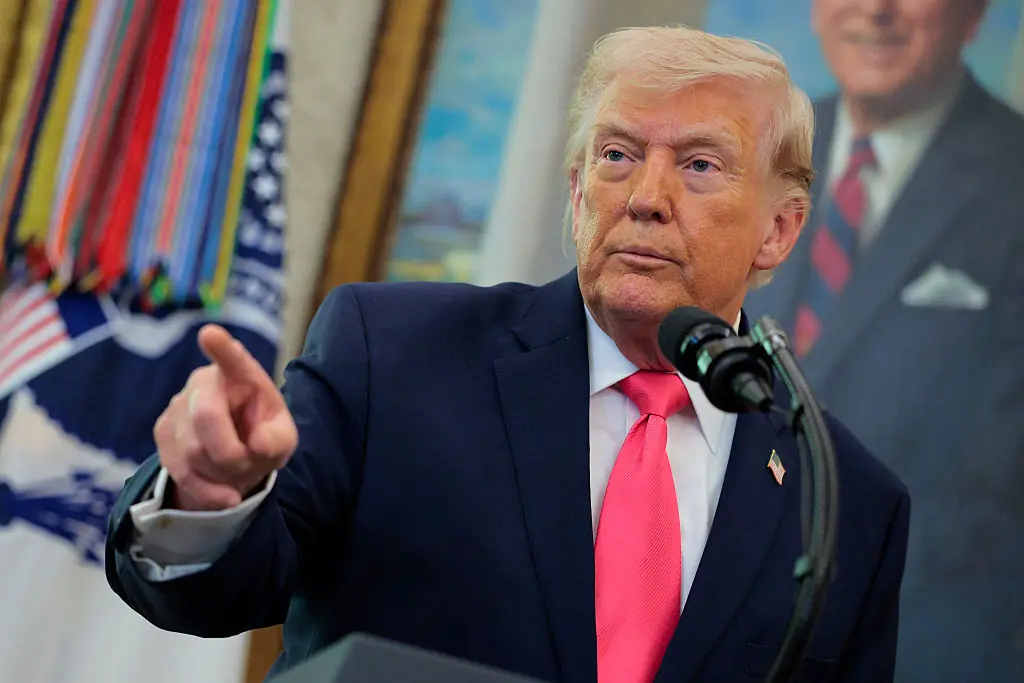
Iran has warned of “special plans” for the US following recent claims by President Donald Trump of peace talks aimed at resolving the ongoing conflict.
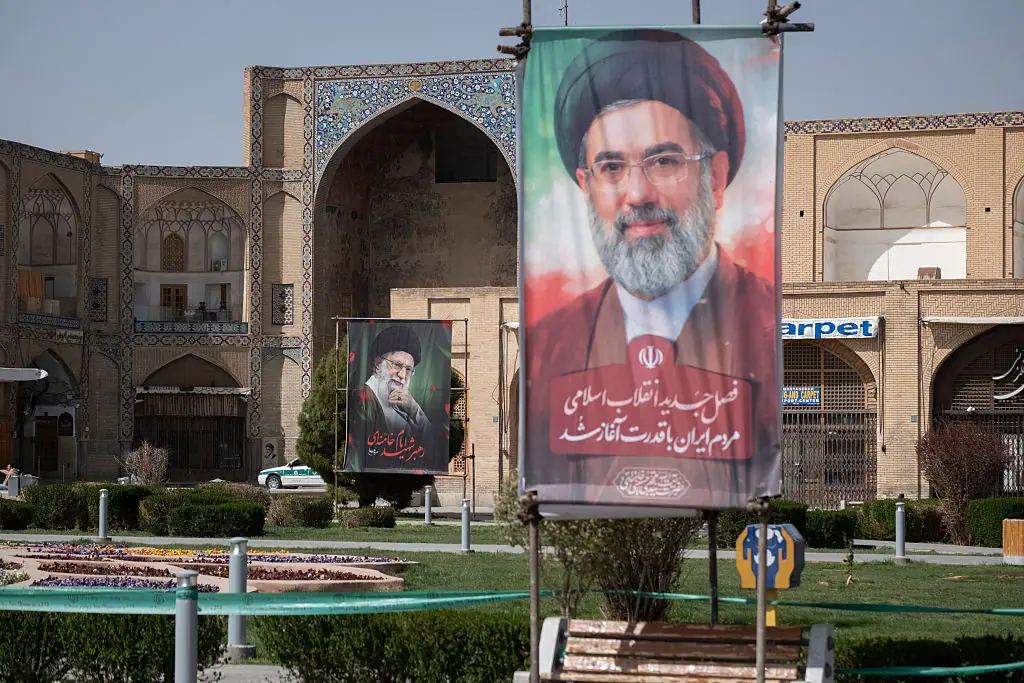
Supreme Leader, Ali Khamenei, was killed in a coordinated strike by US and Israeli forces on February 28, prompting an immediate military response from Iran.
Tehran launched missiles targeting US military bases across the Middle East, including locations in Dubai, Kuwait, and Qatar.
Despite the leadership change with Khamenei’s son, Mojtaba Khamenei, now in charge, the regime’s determination has not wavered.
Trump’s Threat To Iran
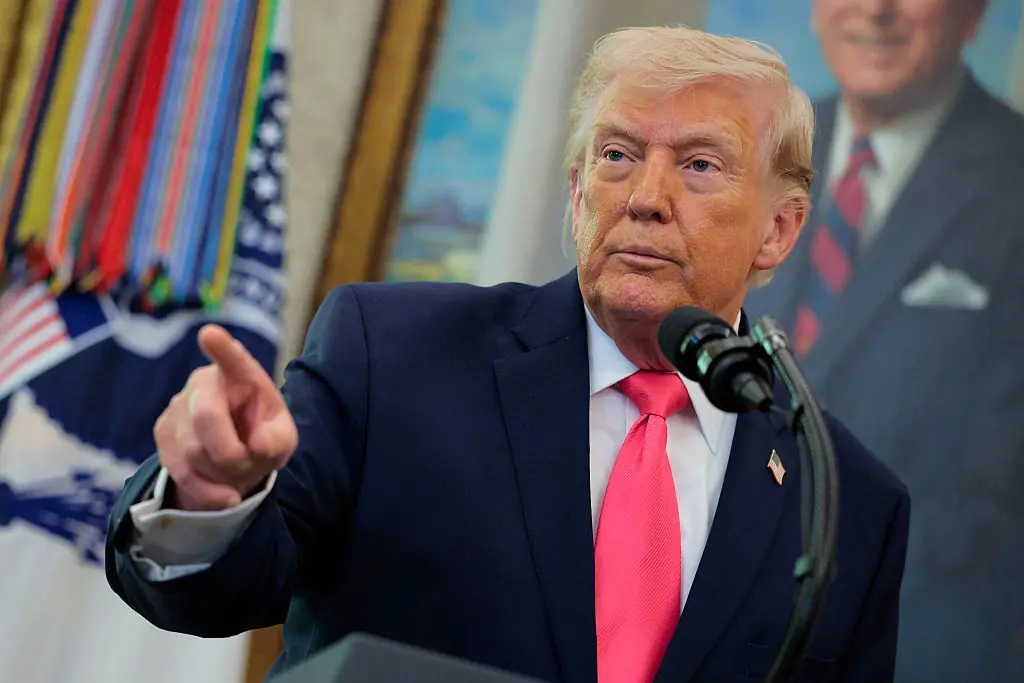
Recently, Trump escalated tensions by issuing a threat to Iran. The 79-year-old warned on his Truth Social platform that if the country did not reopen the Strait of Hormuz, a key oil passage, within 48 hours, the US would strike Iran’s energy infrastructure.
“If Iran doesn’t FULLY OPEN, WITHOUT THREAT, the Strait of Hormuz, within 48 HOURS from this exact point in time, the United States of America will hit and obliterate their various POWER PLANTS, STARTING WITH THE BIGGEST ONE FIRST!” he wrote on March 21.
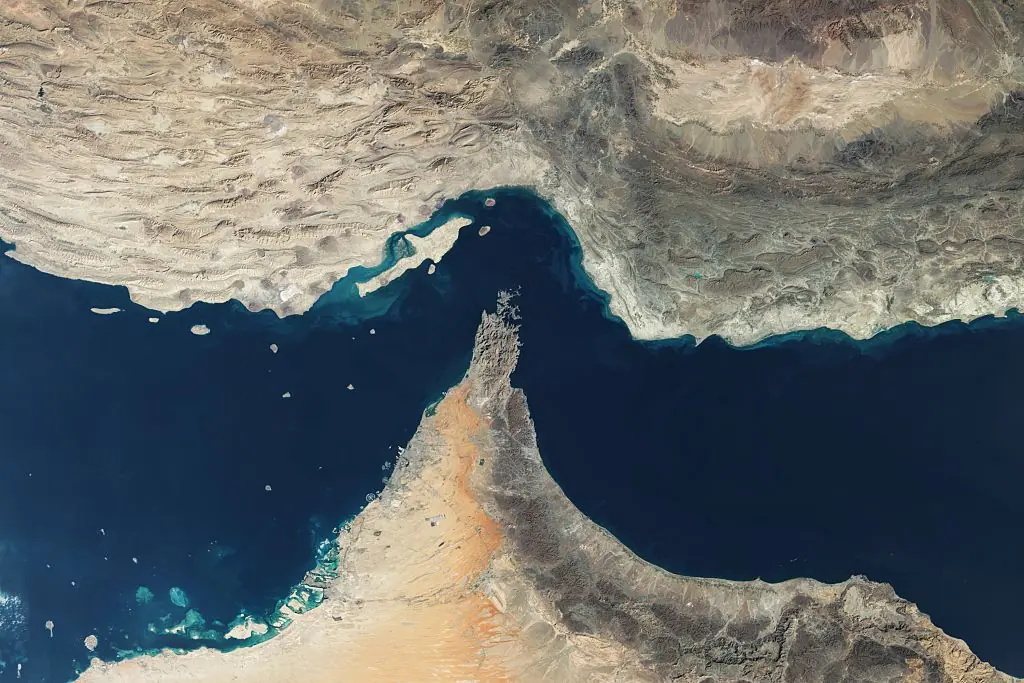
The closure of the strait, which lies between Oman and Iran and links the Gulf to the north with the Gulf of Oman to the south and the Arabian Sea beyond, has led to soaring energy prices globally.
Iran’s ‘Special Plans’ and Denial of Negotiations
In response to the president, Iranian officials have made it clear that they have “special plans” for both the US and Israel, which they claim will eliminate any hope of peaceful negotiations.
According to Iran’s state-run Fars News Agency, a source said: “Tonight, special events are planned for Tel Aviv and some regional allies of the US and Israel that will completely remove the hope of negotiations from the minds of the aggressors,” per LBC.
Another message allegedly shared on Telegram from Iranian officials stated that until the US withdraws entirely from the region and ensures that it will not engage in further aggression, there will be no peace, and the Strait of Hormuz will remain closed.
“Even after the possible end of the war, the situation in the Strait of Hormuz will not return to the pre-war situation,” they added.
This follows a denial by Iranian officials regarding any peace talks with the US. Iranian Parliament Speaker Mohammad Bagher Ghalibaf dismissed Trump’s claims of negotiations as “fake news”.
“No negotiations have been held with the US, and fakenews is used to manipulate the financial and oil markets and escape the quagmire in which the US and Israel are trapped,” Ghalibaf posted on X.
Trump’s Claims of Negotiations
Despite the Iranian denials, Trump made a contradictory announcement on March 22, stating that the US and Iran had engaged in “very good and productive conversations” over the past two days.
He also claimed to have instructed the US Department of War to postpone any military strikes on Iranian power plants for five days while the discussions continued.
“I am pleased to report that the United States of America, and the country of Iran, have had, over the last two days, very good and productive conversations regarding a complete and total resolution of our hostilities in the Middle East,” he wrote on Truth Social.
“Based on the tenor and tone of these in-depth, detailed, and constructive conversations, I have instructed the Department of War to postpone any and all military strikes against Iranian power plants and energy infrastructure for a five-day period,” he added.
Trump further remarked to reporters: “They [Iran] want very much to make a deal. We’d like to make a deal, too. We’re going to get together today [by phone.] We’re doing a five-day period, we’ll see how that goes, and if it goes well, we’re gonna end up settling this…Otherwise, we’ll just keep bombing our little hearts out.”
While Trump’s statements suggest an ongoing dialogue, the White House has confirmed that no formal meetings have been scheduled between US and Iranian officials.
White House Press Secretary Karoline Leavitt said: “These are sensitive diplomatic discussions, and the US will not negotiate through the press.”
“This is a fluid situation, and speculation about meetings should not be deemed as final until they are formally announced by the White House,” she added.