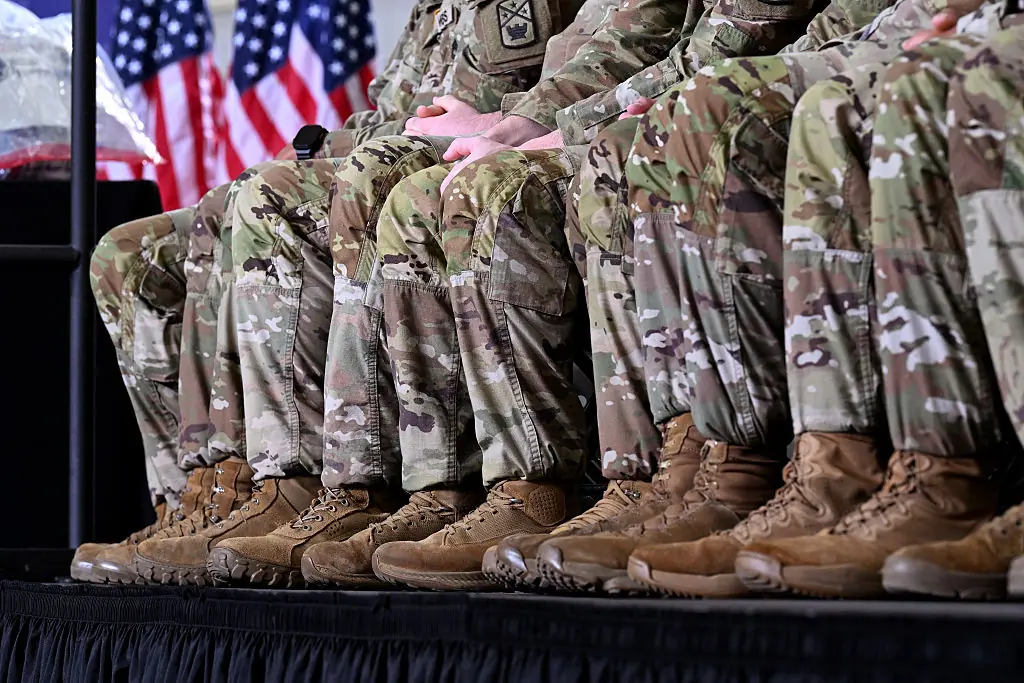
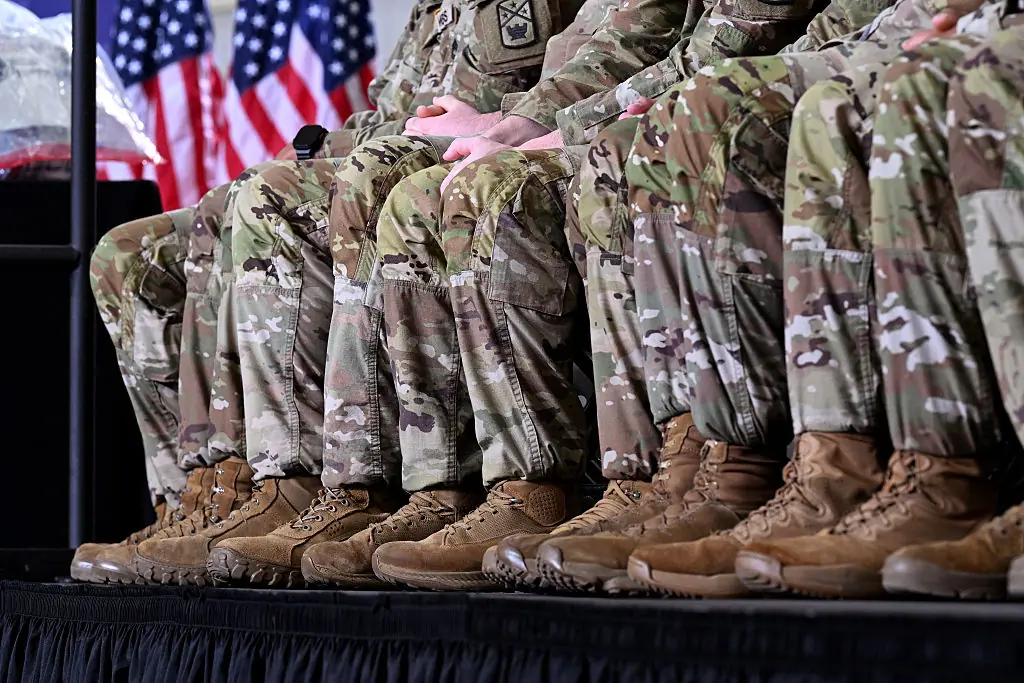
As the US Army makes huge changes to the age of enlistment – for the first time since the Iraq War – people are worried that a draft could be on the way if World War Three comes around.
However, you could be spared the dreaded draft if you are working in the right job.
World War Three fears continue amid US and Iran conflict
Donald Trump has started a war with Iran, and it has been going on for some weeks now since the initial air strikes of Operation Epic Fury.
There have been threats back and forth, ultimatums and statements issued, and some frankly dangerous rhetoric from both sides, which shows little sign of slowing down.
With fears that a third world war could be on the cards, people were shocked to learn that the US Army was changing the age of enlistment, meaning that older people can sign up if they want to go out to the Middle East.
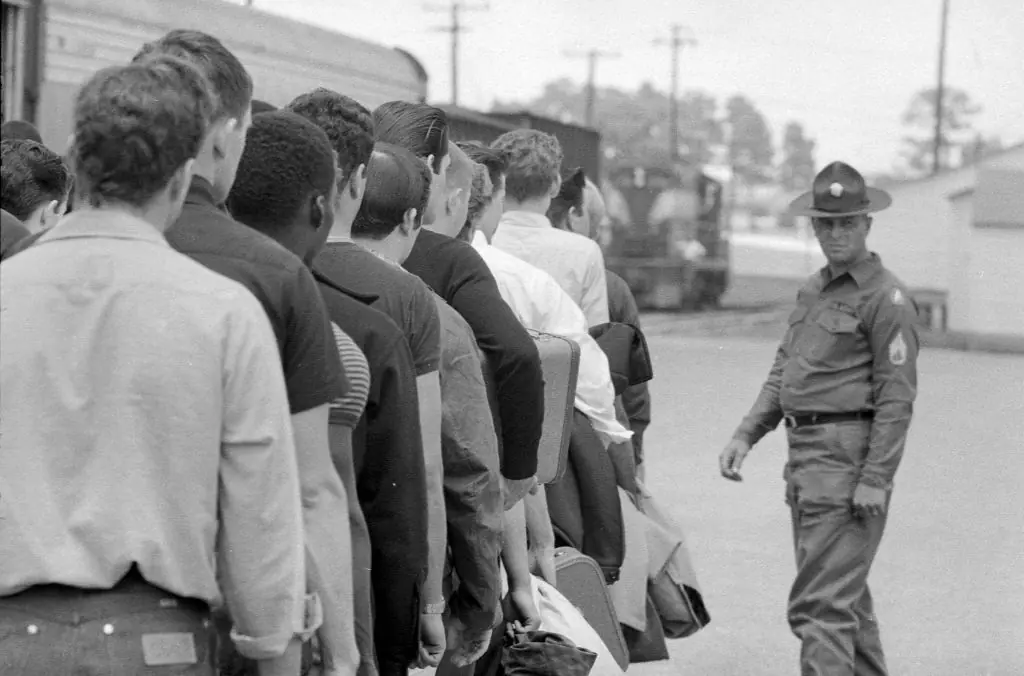
With that change comes the fear that there could be a return to the draft days of the Vietnam War and the Second World War, and who might be forced to go.
Probably not anyone Donald Trump is related to, anyway.
But, there are some professions that history tells us might be excluded from any draft, so if you’re working one of these jobs, you should be alright.
Professions that will likely dodge the draft
To start with, there is no list of so-called ‘protected jobs’ – we aren’t that far down the rabbit hole yet.
Any draft will operate via a Select Service System and people will be eligible for exemptions, deferments, or alternative service assignments.
It is likely that any exempt roles will be those that are essential to the running of the country while it is at war.
That means that those jobs that are critical to national health, public safety, economic stability, and science and tech will be prioritised.
Although, those jobs could still be drafted, just they’ll be placed into military roles.
It isn’t about who you are, it’s about what you offer to the national survival goal – whether abroad or at home.
So, who will be allowed to stay at home?
Based on history, the most protected jobs are going to be doctors, nurses, surgeons, and emergency responders.
There will also likely be exemptions for mental health providers, pharmacists and laboratory workers.
However, there could be a ‘skills draft’ that targets those workers if needed, so you aren’t guaranteed to avoid service.
If you work on the power grid, in water or sanitation, telecommunications, or transport/logistics, it’s likely that you’ll avoid the draft, too.
That is, unless the army needs you, and -once again, it might.
Food and agriculture will be essential to the effort
If the war gets bigger and bigger, there will be a great emphasis on how to provide from within, meaning that those involved in farms and agriculture could manage to escape a draft.
As could those who work in education or caregiving – after all, the country will still need teachers, childcare employees, and those who look after the elderly and infirm.
Science and technology
Any future world war is likely to be fought via technological means, so those in defense, engineering, cybersecurity, and research could be allowed to avoid front-line combat.
In history, ‘war industry’ workers have avoided the draft.
Government employees and other exemptions
Elected officials and those in government at both federal and state level should be safe, although that will only be as long as they are in office.
Religious leaders – clergy etc – could be exempt, as well as those who religiously object, who could be offered non-combat roles.
If you are a conscientious objector, you might be given civilian service instead of military, but there’s no guarantee of that.
Elsewhere, students and those with dependents could be deferred, but then again, don’t count on it.
Ultimately, we won’t know until it happens, and we all just have to hope that it doesn’t happen.
If there ends up being a draft of any kind, we’ve already gone way too far and the news isn’t looking good for anyone.