
The UK government has released guidance on how households can prepare for major emergencies, including what essential items people should keep at home.
From tinned foods, pickled goods, cereals, and toilet roll to stocking up on bottled water, and even your favourite sweet treats, there are all manner of things that people will look to acquire should world leaders seek nuclear means.
While global conflicts are nothing new, growing tensions around the world have led to increased fears about the possibility of WW3.
In response, the government in the United Kingdom has been encouraging people to take practical steps to be ready for unexpected situations.
What has the UK government advised its citizens to do in the case of WW3?
As part of its ‘Prepare’ campaign, Keir Starmer’s government outlined advice on dealing with disruptions such as power outages, which could occur during large-scale emergencies.
The guidance was included in the UK’s national security planning, where Starmer highlighted rising concerns about global instability, including nuclear threats.

He warned: “The threat to the UK and our allies from nuclear weapons is once again growing,” adding that modern risks are becoming more multifaceted due to the number of countries with nuclear capabilities and rapidly advancing technology.
Although officials stress that such scenarios are unlikely, the campaign focuses on readiness rather than panic.
One key recommendation is to be prepared for losing access to electricity and communications – key aspects of everyday life in the UK.
The specific items households have been urged to keep
Among the suggested items is a wind-up radio, which can be used to receive updates if power and internet services go down.
The government explains: “There might be updates communicated by radio during a power cut.”
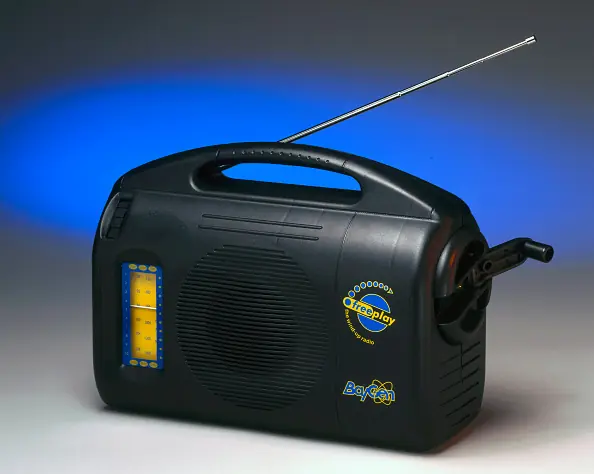
It also notes that while car radios can be used as an alternative, it may be safer to remain indoors during severe conditions.
People are advised to write down important radio frequencies in advance so they can still access news if digital devices fail.
In addition, households are encouraged to keep practical tools such as a wind-up torch, ensuring they have a reliable light source without solely relying on batteries or electricity
Overall, the advice is designed to help people stay informed and safe during emergencies by having simple, low-tech solutions readily available.