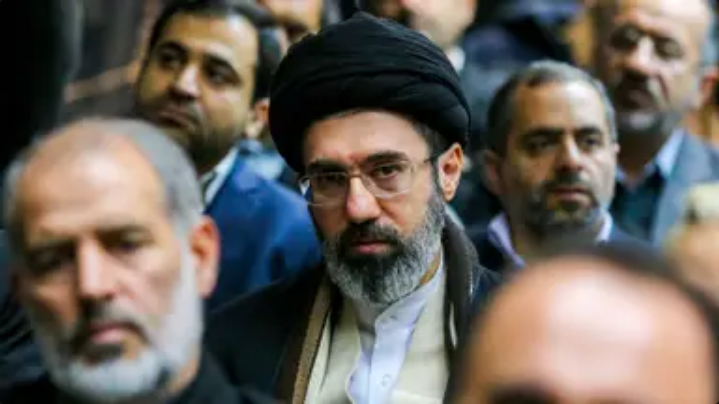
Iran’s new supreme leader has just released his first statement, issuing a warning to several countries.
Mojtaba Khamenei, 56, is the son of the nation’s previous supreme leader, Ayatollah Ali Khamenei, who was assassinated in Tehran as part of a series of US-Israeli airstrikes aimed at high-ranking Iranian officials late last month (28 February).
His death was confirmed by the Iranian government on 1 March.
In a televised address on Thursday (12 March), Khamenei demanded the immediate closure of all US bases in the region, warning they would otherwise be targeted.
Iran supports friendly relations with neighbouring countries, he said, but attacks on American bases would continue.
Khamenei did not appear on camera himself with the written statement read out by an Iranian state news anchor.
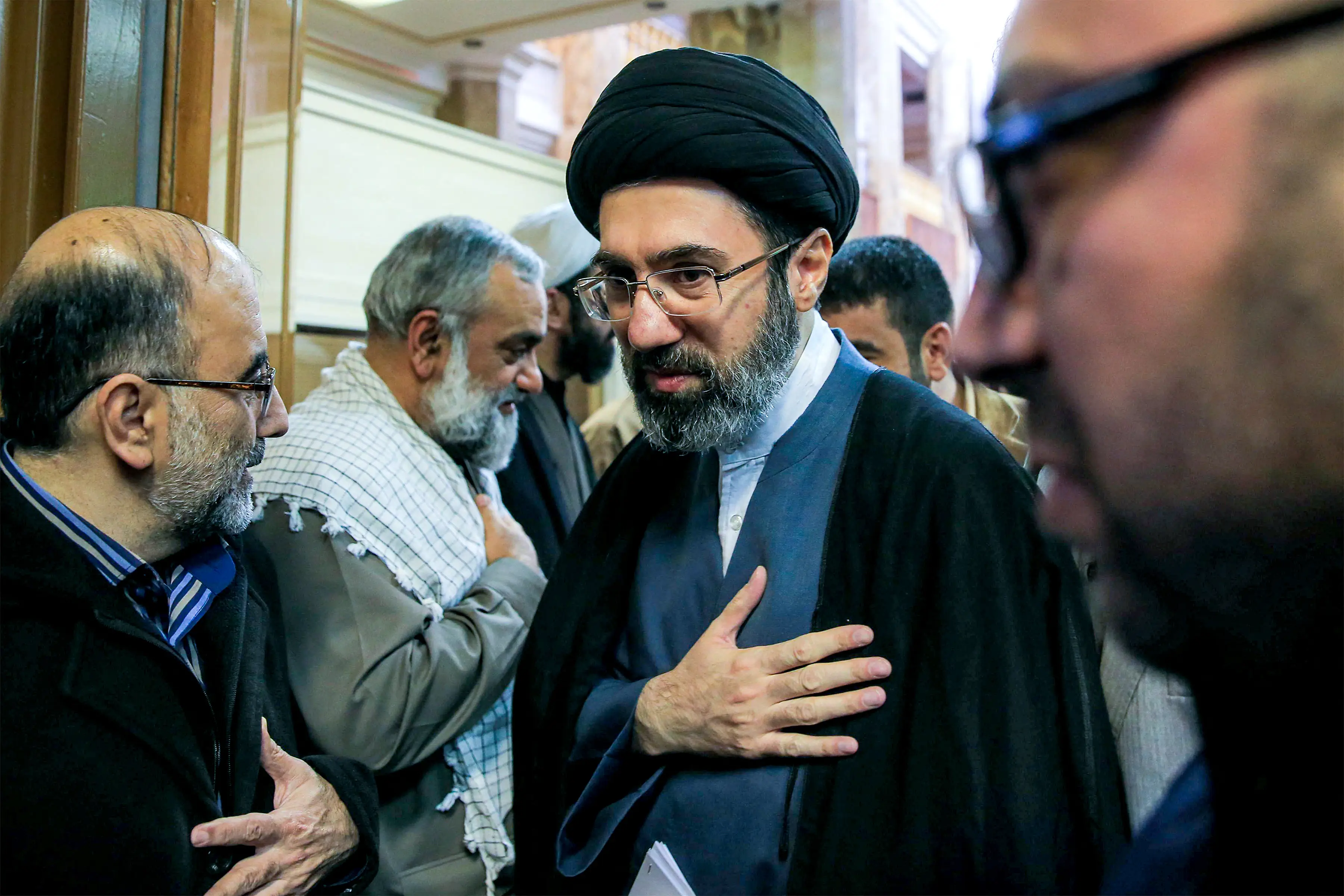
Mojtaba Khamenei has issued his first statement since taking over as Iran’s new supreme leader today (ROUHOLLAH VAHDATI / ISNA / AFP via Getty Images)
What did Mojtaba Khamenei say?
The statement began, per AP News: “Dear combatant brothers, the demand of the masses is the continuation of an effective and regret-inducing defence.”
“The lever of closing the Strait of Hormuz must certainly continue to be used as well. Studies have also been conducted on opening other fronts in which the enemy has little experience and would be highly vulnerable. Their activation will take place, if the wartime situation continues and in accordance with considerations of expediency,” Khamenei said.
“Our sincere thanks go to our brave fighters who, at a time when our nation and beloved homeland have been unjustly attacked by the leaders of the front of arrogance, have blocked the enemy’s path with their powerful blows and dispelled their illusion of being able to dominate our beloved country or possibly divide it.”
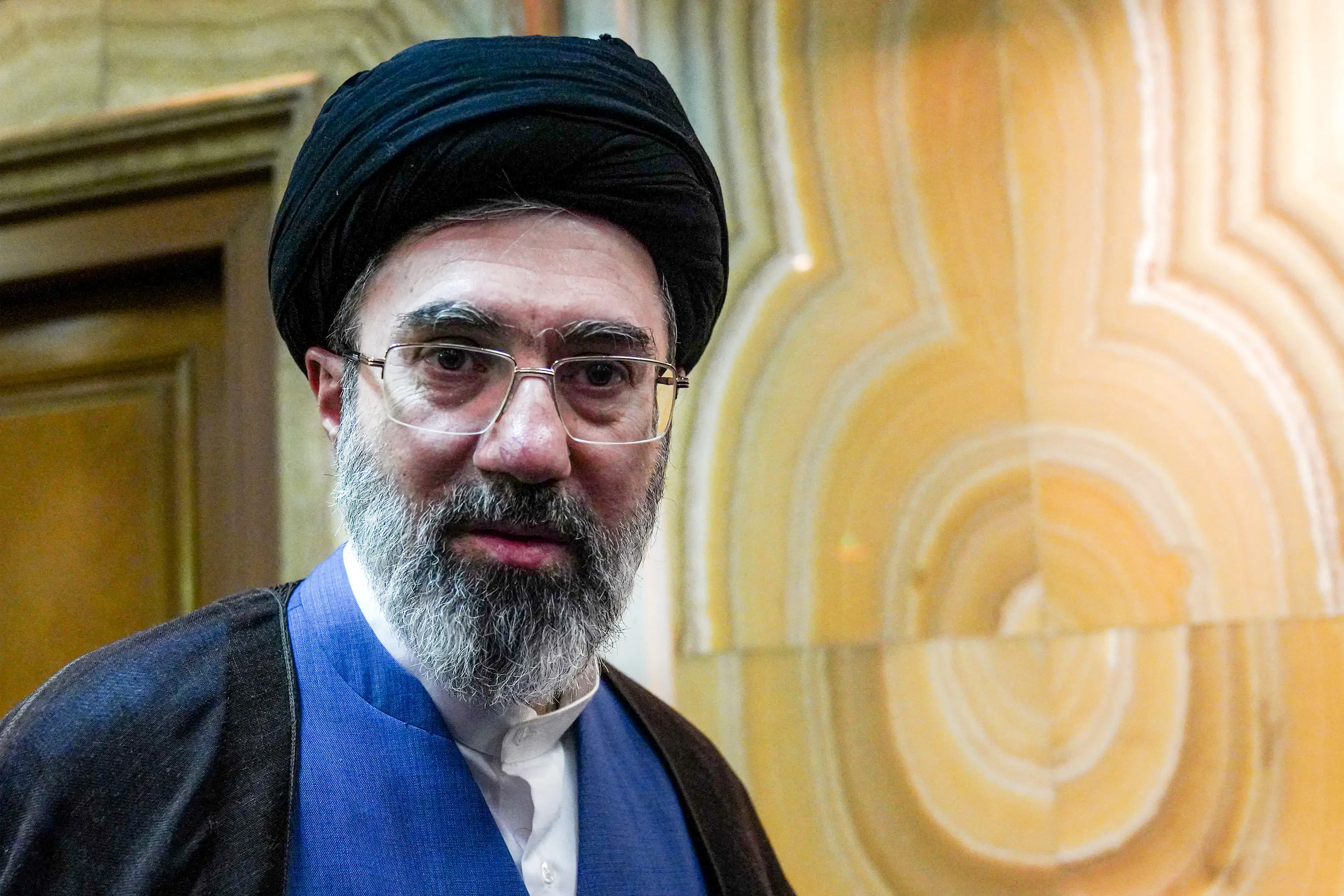
Khamenei threatened to ‘obtain compensation from the enemy’ (Hamed JAFARNEJAD / ISNA / AFP via Getty Images)
The statement continued: “I assure everyone that we will not refrain from avenging the blood of your martyrs. The retaliation we have in mind is not limited only to the martyrdom of the great leader of the Revolution; rather, every member of the nation who is martyred by the enemy constitutes a separate case in the file of revenge.
“A limited portion of this retaliation has already taken tangible form, but until it is fully achieved, this file will remain open above other cases. We will be especially sensitive regarding the blood of our children. Therefore, the crime the enemy deliberately committed against the Shajareh-Tayyebeh school in Minab, and some similar cases, holds a special status in this process of accountability.”
The strike that Khamenei was referring to killed 168 people, including around 110 children.
Iran claims the school was hit by a US missile; however, America has denied responsibility while it investigates.
He also talked about a policy of ‘friendship’ that Iran has with neighbouring countries; however, he urged them to close their American bases, which he affirmed Iran will continue to target.
“These countries must clarify their position regarding those who have attacked our beloved homeland and killed members of our people. I recommend that they shut down those bases as soon as possible, because by now they must have realised that the United States’ claims of providing security and peace have been nothing more than a lie,” Khamenei said.
The supreme leader’s statement added: “One point I must emphasise is that, in any case, we will obtain compensation from the enemy. If it refuses, we will take from its assets to the extent we deem appropriate, and if that is not possible, we will destroy its assets to the same extent.”
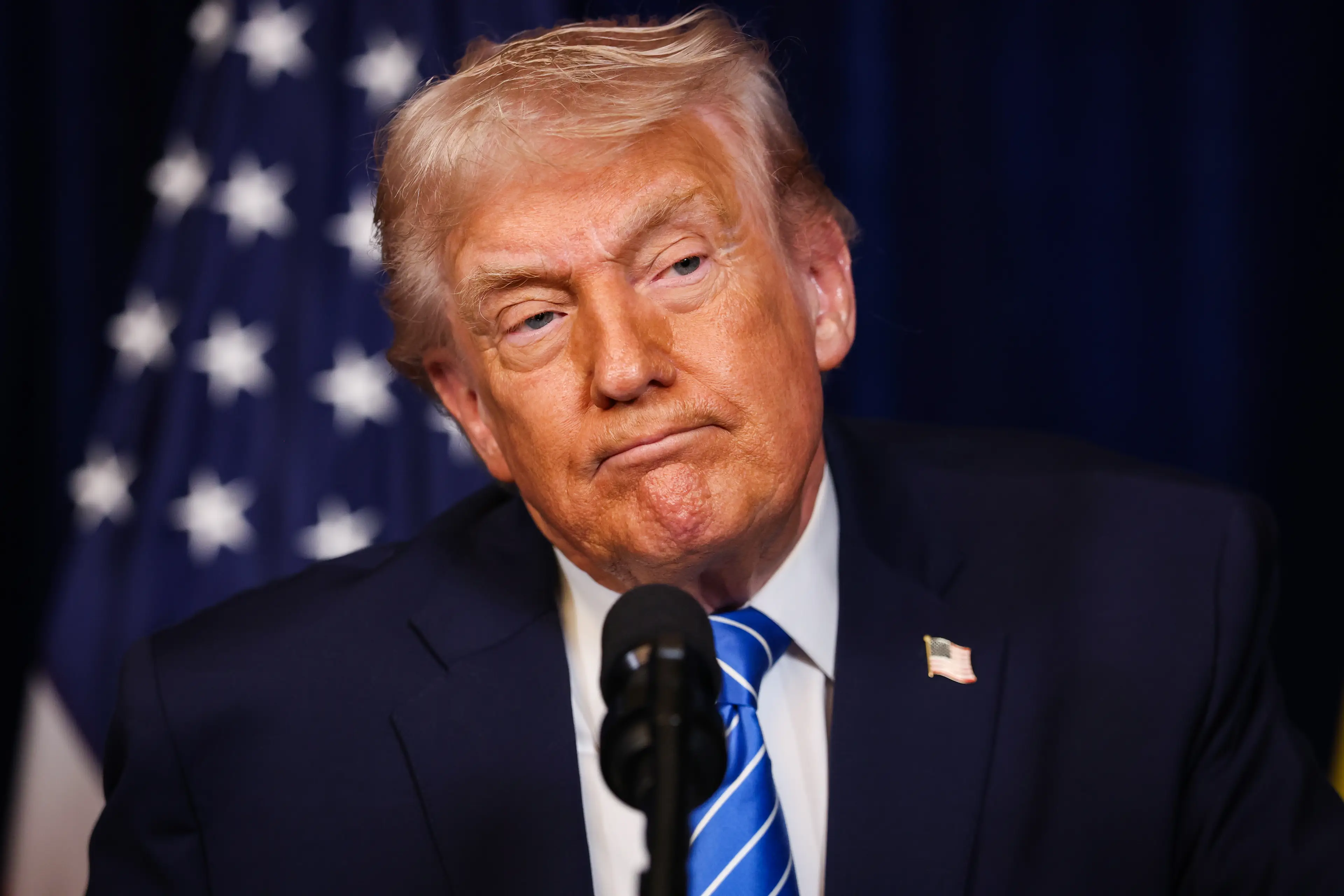
The US and Israel launched a joint attack on Iran late last month (Joe Raedle/Getty Images)
Which neighbouring countries have been affected by the conflict?
The US and Israel launched a joint attack on Iran on 28th February, triggering hundreds of retaliatory missiles and thousands of drones from Iran across the region.
Iran’s retaliatory strikes were targeted across the Gulf at American allies and bases, with Saudi Arabia, Bahrain, Qatar, the United Arab Emirates, Kuwait, Jordan, Oman and Iraq all hit in the aftermath of the attacks, with Iran warning of its ‘most intense offensive operation’ against US bases.
Civilian sites across the Gulf have also been struck, including hotels and airports, with the conflict showing no clear sign of slowing.
What is happening in Dubai?
At least 11 countries and territories have been targeted by Iran in retaliation for continuing US and Israeli strikes.
The heaviest pressure appears to have fallen on the UAE.
By mid-last week, the Pentagon said Iran had launched more than 500 ballistic missiles and 2,000 drones across the region since the conflict began.
Around 1,700 of those missiles and drones were aimed at the Emirates alone, according to the country’s defence ministry.
Some estimates suggest Iran may have carried out more air strikes on the UAE than on Israel.
The UAE says it is intercepting about 90 per cent of incoming attacks, per ABC News. Even so, strikes have hit airports, tourist sites and the US consulate in Dubai.
At least six people have been killed and 122 injured.
Featured Image Credit: AMIR KHOLOUSI / ISNA / AFP via Getty Images