
United States President Donald Trump has previously explained what would happen if Iran assassinated him.
In an interview in February 2025, the 79-year-old Republican said that he has left ‘instructions’ that if the Middle Eastern nation were to assassinate him, the country should be ‘obliterated’.
Trump made such a declaration after signing an executive order in the Oval Office, reaffirming a policy of maximum pressure on Iran. He said the move handed him every available tool to deal with the government in Tehran, calling the action ‘very tough on Iran’.
“I’m going to sign it, but hopefully we are not going to have to use it very much,” the president said, adding that he wants to see about working out a deal with Iran so everybody ‘can live together’.
Then, when questioned about Iran and proxies threatening to assassinate him, Trump claimed: “Well, they haven’t done that, and that would be a terrible thing for them to do, not because of me. If they did that, they would be obliterated.
“That would be the end. I’ve left instructions. If they do it, they get obliterated – there won’t be anything left.”
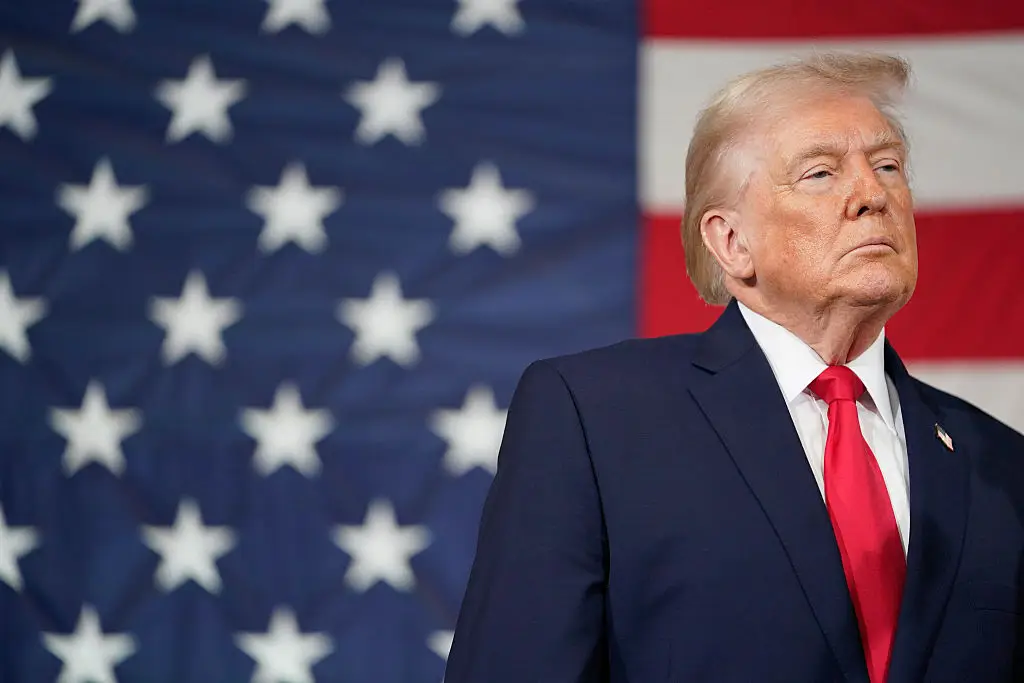
Donald Trump previously revealed there were ‘instructions’ if he were to ever be killed by Iranian forces (Nathan Howard / Stringer / Getty Images)
Trump went on to fault former President Joe Biden for failing to warn Iran that it would face obliteration if an assassination had taken place during his time in the White House.
He continued: “And they shouldn’t be able to do it, and Biden should have said that, but he never did. I don’t know why, lack of intelligence, perhaps.
“But he never said it. If that happens to a leader or close to a leader, frankly, if you had other people involved also, you would call for total obliteration of a state that did it, that would include Iran.”
He reiterated such remarks back in January of this year, warning Iran that continued assassination threats made by leaders in Tehran would be met with the country getting ‘blown up’.
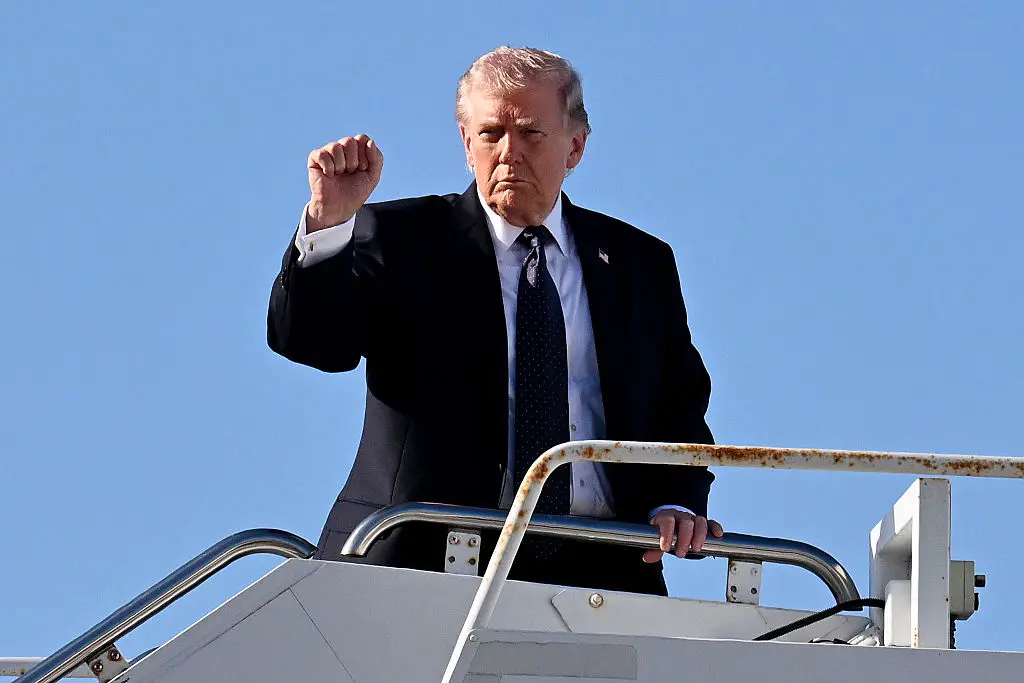
Trump warned Iran would be ‘obliterated’ if he were to be assassinated Roberto Schmidt / Stringer / Getty Images)
He told NewsNation’s Katie Pavlich on Katie Pavlich Tonight, via The Hill. “Well, they shouldn’t be doing it, but I’ve left notification.
“Anything ever happens, we’re going to blow the whole — the whole country’s going to get blown up.”
“I have very firm instructions,” Trump continued. “Anything happens, they’re going to wipe them off the face of this earth.”
Trump’s remarks have resurfaced after the joint US-Israeli attacks on Iran over the weekend on Saturday (28 February).
The attacks killed Supreme Leader Ayatollah Ali Khamenei and went on to set off retaliatory strikes across the region, with violence spreading on Sunday (1 March), reaching more locations as the death toll climbed.
Iran strikes: what you need to know
Why is the United States and Israel attacking Iran?
US President Donald Trump announced on Saturday (28 February) that the US and Israel have started ‘major combat operations’ in Iran after explosions were heard in multiple cities across the country.
Following a significant buildup of US forces in the region in recent weeks, Trump declared in a video posted on Truth Social that ‘we are going to destroy their missiles and raze their missile industry to the ground’.
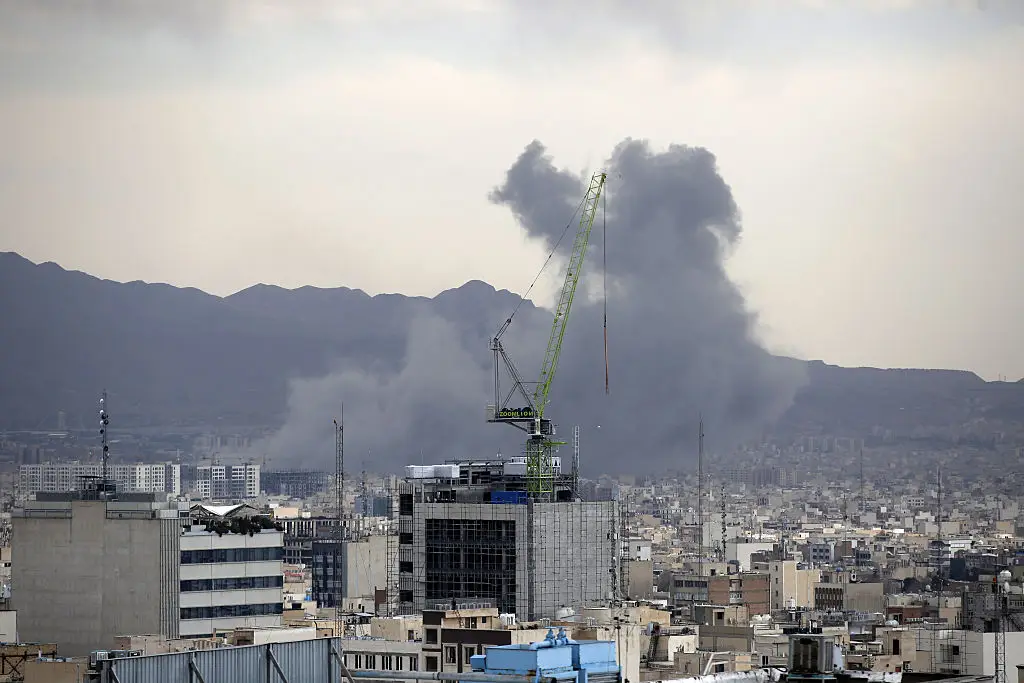
Smoke rising over Tehran following Israeli strikes (Fatemeh Bahrami/Anadolu via Getty Images)
Alongside hundreds of civilian casualties – including at least 153 people and children after a reported strike hit a school in Minab – Iran’s Supreme Leader Ayatollah Ali Khamenei was confirmed dead following Israeli missile strikes around Tehran.
According to Trump, the aim of this weekend’s attacks were to ‘ensure that Iran does not obtain a nuclear weapon’.
Meanwhile, in reference to Israel’s retaliation strikes, the country’s defence minister stated that the goal was to ‘remove threats against the State of Israel’.
This has come after weeks of Trump threatening military action in Iran if the Middle Eastern country did not agree to a new deal over its nuclear programme. However, Iran has insisted repeatedly that its nuclear activities are ‘entirely peaceful’.
What areas of the Middle East have been affected?
In retaliation to the US and Israeli strikes, Iran has launched strikes of its own on Israel and Gulf Arab countries, which include Qatar, the UAE, Bahrain and Kuwait.
The BBC reports that at least nine people were killed in a strike on the Israeli city of Beit Shemesh, while military and civilian targets – including an American naval base in Bahrain and Dubai’s international airport in the United Arab Emirates – were also targeted across the weekend.
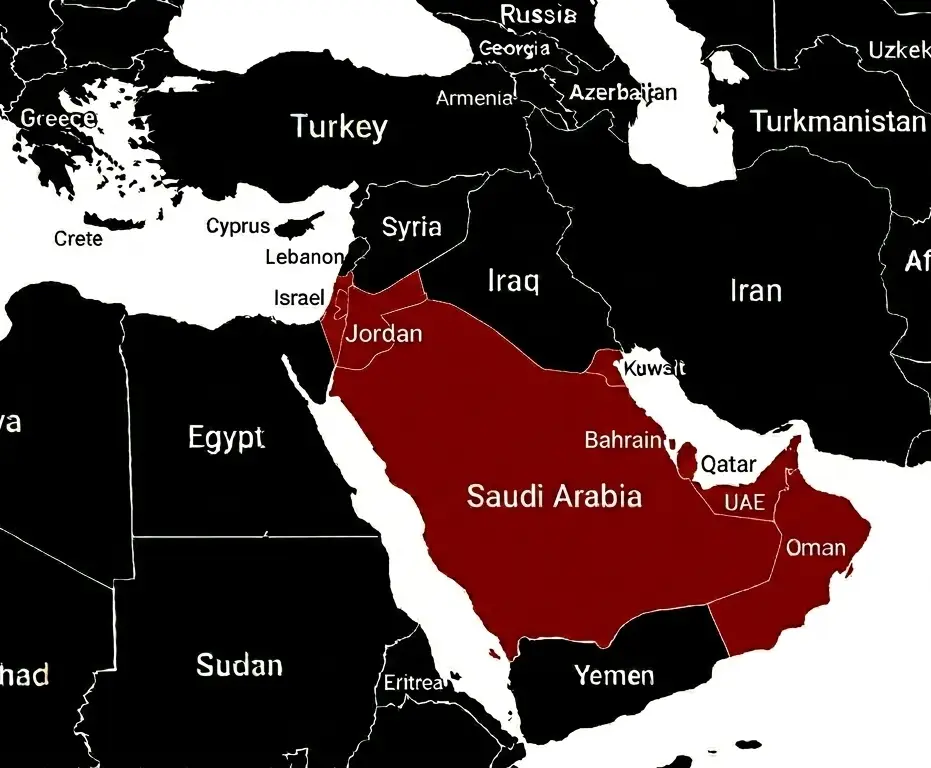
The countries (shaded red) that have reported retaliatory strikes from Iran (LADbible Group)
Several videos have been posted on social media from tourists and civilians that show the damage inflicted across these areas from missile and drone strikes, including many British citizens who are currently stranded in Dubai.
Is the UK going to war with Iran?
This is a question that has been asked repeatedly since the major combat operation began in Iran, due to the nation being an ally of both the United States and Israel.
Prime Minister Keir Starmer confirmed that British planes were ‘in the sky’ in the Middle East as part of a defensive operation ‘to protect our people, our interests and our allies’, and condemned Iran’s retaliatory attacks on ‘partners across the region’.
While the UK did not participate in the strikes, Starmer released a joint statement with the leaders of France and Germany, calling for Iran to ‘refrain from indiscriminate military strikes’.
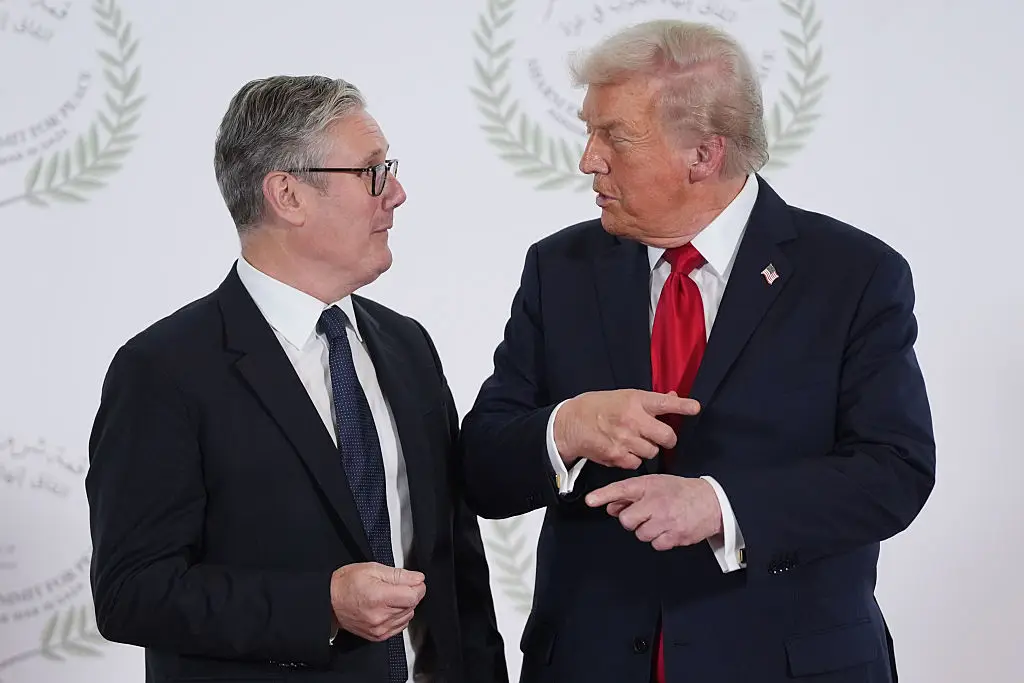
Keir Starmer said British planes were ‘in the sky’ in the Middle East (Evan Vucci – Pool / Getty Images)
“Iran can end this now,” Starmer said. “They should refrain from further strikes, give up their weapons programme and cease the appalling violence and oppression of the Iranian people – who deserve the right to determine their own future.”
However, the Secretary of State for Foreign and Commonwealth Affairs, Yvette Cooper, has said it is ‘simply not true’ that the UK is being dragged into another Iraq-style conflict in the Middle East.
While addressing a reported Iranian drone strike on a RAF base in Cyprus, she told Sky News on Monday, 2 March: “We took a very specific decision not to provide support for strikes that were taking place over this weekend. We have been clear that we believe there should be a diplomatic process, negotiations process.”
Featured Image Credit: Andrew Harnik/Getty Images