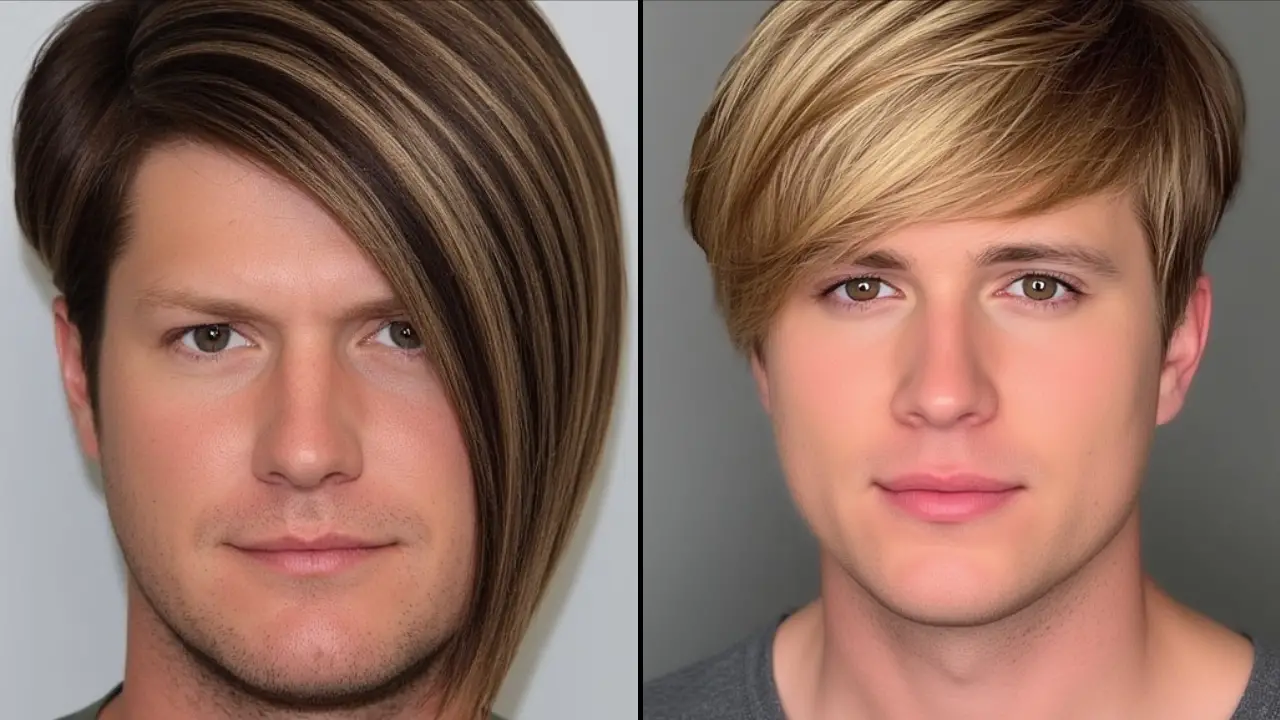
The name for the male ‘Karen’ has been decided, and people aren’t happy about it.
In 2020, the term ‘Karen’ gained widespread attention across mainstream media and social platforms.
Its grip on public discourse was so strong that The Guardian branded the year ‘the year of Karen.’
The term is generally used to describe a middle-class woman seen as entitled or excessively demanding.
Online, it’s often reinforced through viral memes portraying middle-class white women using perceived racial and class privilege to get their way.
From ‘speak to the manager’ to viral infamy

The stereotype usually includes familiar tropes – demanding to ‘speak to the manager,’ behaving in a racist manner, or sporting the now-infamous bob haircut.
The label gained even more traction following the Central Park birdwatching incident in 2020, when a woman called police during a dispute over her unleashed dog in a restricted area.
From that moment, Karen stopped being just a name and became a cultural weapon.
Critics say label has gone too far
Not everyone sees the meme as harmless fun.
The term has been widely criticized as racist, s**ist, ageist, classist, and as a way of policing women’s behavior.
Hadley Freeman, columnist and features writer for The Guardian, argued that the label had become about ‘telling women to shut up.’
Writing in The New York Times during the pandemic, author Jennifer Weiner said the fear of being branded a ‘Karen’ stopped her from speaking up.
She explained she had to weigh her urge to complain about a nearby man coughing into the open air, hawking, and spitting on the sidewalk, against her fear of being called a ‘Karen.’

British journalist and feminist Julie Bindel also questioned the term, asking: “Does anyone else think the ‘Karen’ slur is woman-hating and based on class prejudice?”
Freeman called the term ‘s**ist, ageist, and classist, in that order.’
Kaitlyn Tiffany, writing in The Atlantic, asked: “Is a Karen just a woman who does anything at all that annoys people?
“If so, what is the male equivalent?”
Real-life Karens say the joke isn’t funny
For women actually named Karen, the impact has been deeply personal.
Many say they’ve faced bullying and feel unable to voice opinions without being dismissed or mocked.
One recent study found the abuse has taken a toll on mental health.
Around 23 percent of participants said they had been verbally threatened because of their name, while seven percent reported being physically assaulted after others learned what they were called.
The name is rapidly disappearing
The backlash has even affected baby naming trends.
Karen now ranks among the 10 baby names seeing the steepest decline, according to global naming records site NameKun.
Once the most popular baby name in the US during the 1960s and ’70s, Karen plunged to 4,844th place last year. Just four babies were given the name, according to Tyla.
Gen Z decides millennial ‘Karens’ need a new label

Now, Gen Z has entered the chat.
In a bold move, younger users have begun assigning new labels to millennial ‘Karens.’
One TikTok user addressed the debate in a clip that has since gone viral, racking up more than 40,000 likes.
She said: “Millennials, they are out here trying to decide what’s our generation’s name equivalent for a Karen.
“We will pick our own Karen. We know exactly who are the a holes of our generation. And here are the names that keep popping up.”
The TikToker then listed names under consideration, including Ashley, Brittany, Heather, Amber, Tiffany, Jessica, Nicole, Becky, and Kelsey.
But commenters were quick to rally behind one name above all others.
The verdict from the comment section was loud and clear.
The name? Jessica.
Data points to men as worse complainers

Meanwhile, the data suggests women may be unfairly taking the blame.
In 2023, Trustpilot analyzed more than 213 million reviews and found that people with traditionally male names are far more likely to leave one-star ratings.
In the UK, nine of the most frequent low-rating reviewers had male-associated names – with one name in particular topping the list.
Davids left more negative reviews than any other name.
Out of the top 10 names most likely to complain, only one woman’s name appeared – Sarah – landing at number seven.
The next traditionally female name, Emma, didn’t show up until position 14.
The people most likely to leave a one-star review (UK)
- David – 20,020 one-star reviews
- Paul – 19,562
- John – 18,632
- Chris – 16,642
- Mark – 16,495
- James – 15,079
- Sarah – 13,971
- Steve – 11,399
- Michael – 10,871
- Andrew – 10,851
The suggestion that David could become the male ‘Karen’ triggered an emotional backlash.
One person wrote: “My son is called David and is about the furthest thing from a male Karen and the last thing I want in this world is for people to associate that behaviour with him every time someone hears his name.
“He’s about to start secondary school too. Honestly just please, please not David.”
Another commenter added: “No! Dave was my sweet hubby! Definitely not a Karen!”
A third took aim at the entire concept, writing: “If you must label people, why not just label them properly. Instead of using a given birth name, call them a**hole. It’s how we did it back in the good ol’ days.”
The USA’s male ‘Karen’

More data from Trustpilot reveals that people with traditionally male names are far more likely to leave one-star reviews than those with traditionally female names, effectively crowning ‘John’ as America’s top complainer.
An analysis of US reviews on the platform found that Johns alone have posted 8,648 one-star reviews since Trustpilot launched in 2007.
Other male-associated names such as David, Michael, Chris, and James dominate the list, while Lisa is the highest-ranking traditionally female name, appearing at number 11.
The findings suggest that men are more vocal when dissatisfied, particularly across major retail categories like electronics, technology, money, insurance, shopping and fashion, where ‘John’ consistently tops the complaints list.
An exception appears in beauty and wellbeing, where Lisa is the most frequent critic.
Top reviewers’ names leaving the most one-star reviews (US)
- John
- David
- Michael
- Chris
- James
- Mike
- Mark
- Robert
- Alex
- Paul
- Lisa
- Sarah
- Steve
- Sam
- Daniel
Moral of the story? Before blaming a ‘Karen’, check the username – the loudest complainers aren’t who you think!