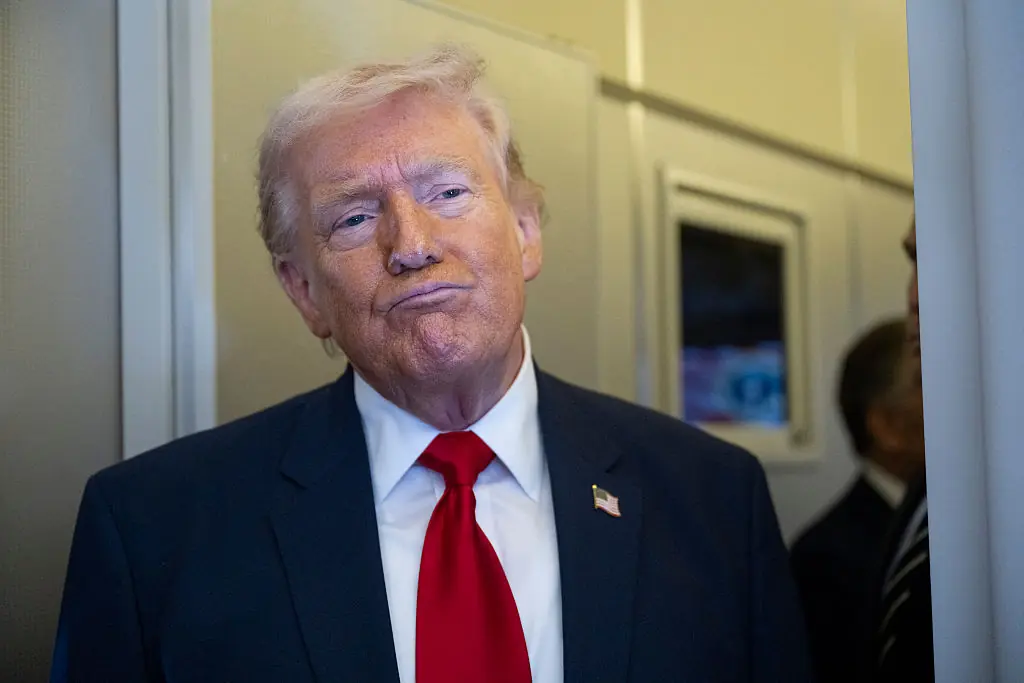
Experts say there’s one thing every American should do if they receive the $2,000 payment Donald Trump has promised.
Last November, the 79-year-old president took to Truth Social to suggest that revenue generated from tariffs could be returned directly to the public through a so-called “dividend” payment.
“People that are against Tariffs are FOOLS! We are taking in Trillions of Dollars and will soon begin paying down our ENORMOUS DEBT, $37 Trillion. Record Investment in the USA, plants and factories going up all over the place,” he wrote.
“A dividend of at least $2000 a person (not including high-income people!) will be paid to everyone,” he added.
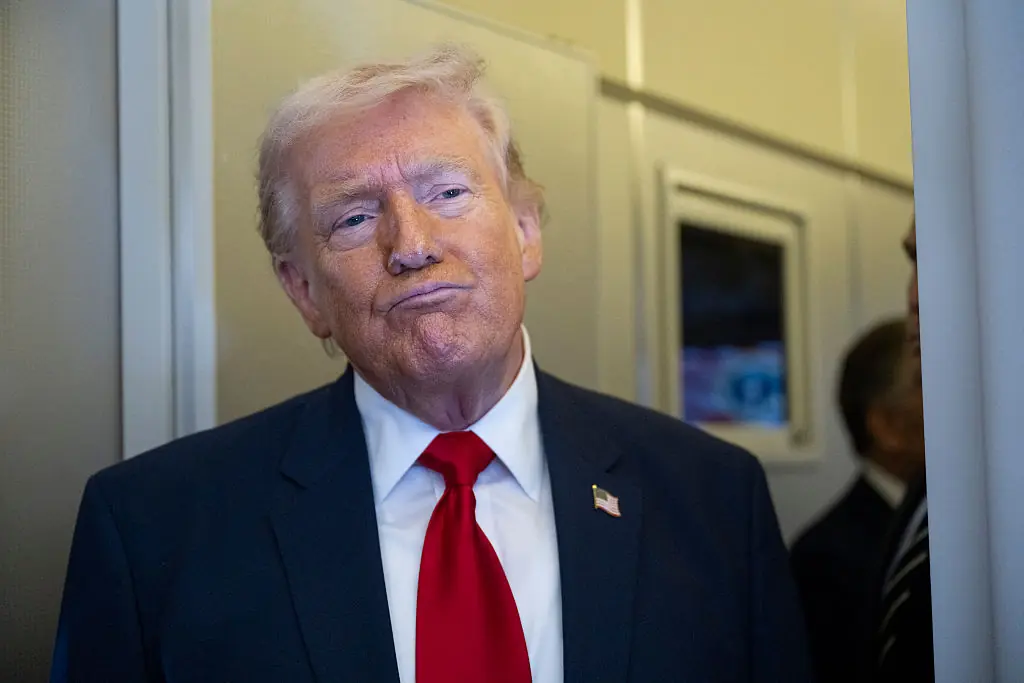
Who Could Qualify For The Payments?
While Trump has repeatedly suggested the checks could be issued in 2026 before the midterm elections, the proposal has not yet been approved by Congress or the IRS.
According to reports, the payments would likely be targeted toward moderate-income households.
Treasury Secretary Scott Bessent provided more detail during a November appearance on Fox & Friends, saying: “The president’s talking about a $2,000 rebate, and that would be for families making less than, say, $100,000.” However, he noted that the exact income threshold remains under discussion.
A similar proposal previously introduced in Congress would have provided at least $600 for each adult and dependent child, with the payments gradually phasing out for married couples earning more than $150,000 a year.
What To Do If The Money Arrives
Although the payments are not guaranteed, financial experts say citizens should already be thinking about how they would use the money if it does arrive.
CNBC reported that one option is placing the funds in an interest-bearing account. According to the outlet, high-yield savings accounts and money market accounts currently offer average annual percentage yields of around 4.00%.
Depositing $2,000 into an account with a 4% APY would generate about $80 in interest over a year.
Adding a $100 monthly direct deposit could increase the balance to approximately $3,300 by the end of the year, including around $100 in interest.
Another suggestion is using the money to pay down high-interest debt.
For example, someone with a $5,000 credit card balance at a 22% interest rate who can only afford to pay $150 per month would spend more than four years paying off the debt and amass nearly $2,800 in interest.
Applying a $2,000 rebate to that balance would reduce the debt to $3,000. At the same $150 monthly payment, the balance could be cleared in just over two years, with roughly $770 paid in interest.
That approach would cut the repayment time by more than two years and save about $2,030 in interest.
For now, there is still no confirmed timeline for when – or if – Americans might receive the payments.