
Iran has issued an assassination threat against Donald Trump as US bombing of the country continues.
It comes after Iran’s previous supreme leader Ayatollah Ali Khamenei was killed during US and Israeli airstrikes.
Khamenei was only the second person to have held the position, taking over after the death of Ruhollah Khomeini in 1989.
Ali Khamenei’s son Mojtaba Khamenei has been chosen as the successor to the position, and is the first supreme leader to not have been directly involved in the 1979 revolution which saw the Shia Islamist regime seize power.
Following the death of their leader, Iran has now issued a threat against Donald Trump, and reminded the US president of the many times that invaders have attempted to conquer Iran throughout its long history.
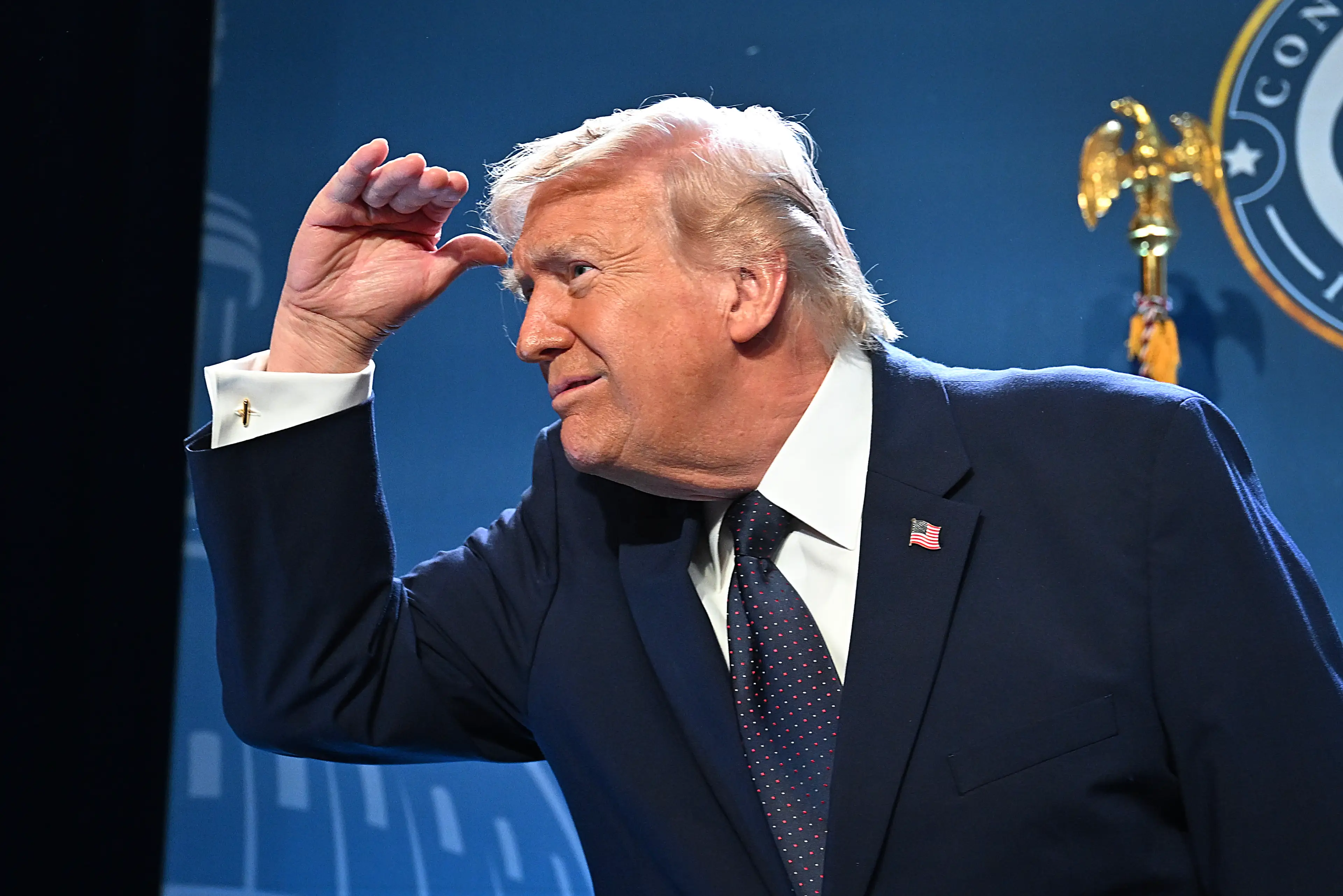
Trump has threatened further action if Iran restricts traffic in the Strait of Hormuz (Roberto Schmidt/Getty Images)
Iran’s threat came from Ali Ardashir Larijani, the secretary of the Supreme National Security Council, who shared the message after Trump posted on his platform Truth Social.
Larijani said: “The Ashura nation of Iran is not afraid of your empty threats. Even those greater than you could not eliminate the Iranian nation. Be careful not to be eliminated!”
He signed the message: “Supreme National Security Council of Iran, Tehran, March 19, 1404 – 10 days after the martyrdom of His Holiness Grand Ayatollah Seyyed Ali Khamenei.”
Trump has previously threatened to hit Iran ‘twenty times harder’ if the country attempts to disrupt oil supplies in the Strait of Hormuz.
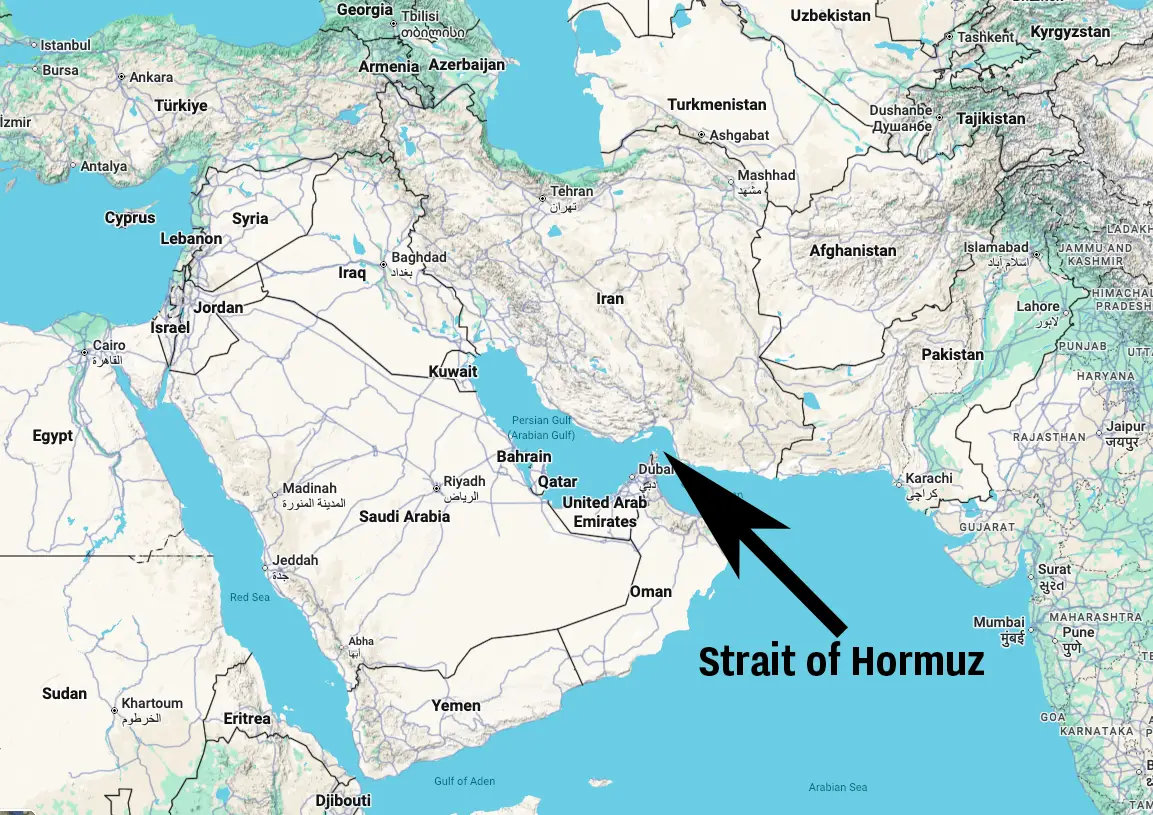
Iran has threatened to disrupt oil supplies through the Strait of Hormuz (Google Maps)
This is a narrow stretch of water between the Persian Gulf and the Gulf of Oman, with the peninsula that makes up the United Arab Emirates on its south, and Iran to the north.
It provides an important trade route for countries including Kuwait, Bahrain, Qatar, Saudi Arabia, and Iraq, allowing ships to either circle west around the Arabian Peninsula to the Suez Canal, or sail east to Pakistan and India.
Approximately 20 percent of the world’s oil production is shipped through the Strait of Hormuz, and disruption from the war has already led to a surge in oil prices, with prices rising to $119 a barrel.
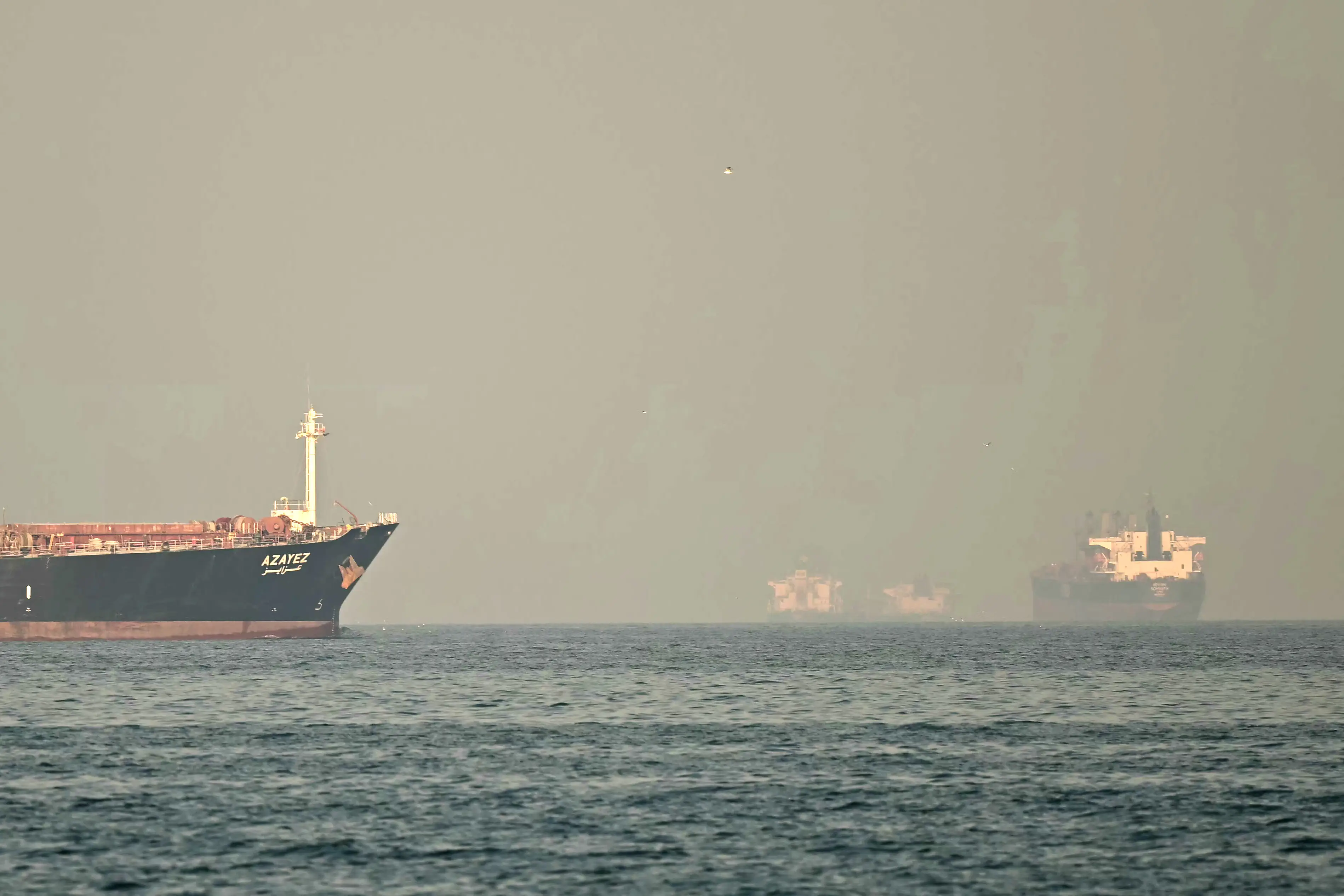
Tankers anchored off the UAE in the Strait of Hormuz (Giuseppe CACACE / AFP via Getty Images)
Normally around 100 vessels traverse the strait every day, but the war has seen that traffic plummet.
The Guardian has reported that only a handful of vessels not linked to Iran or Russia have attempted the run, with one switching off its transponder until it was well on the way to Mumbai, while another signalled that it was Chinese owned and crewed.
This drop in traffic has come despite attempts at reassurance from Trump, who has announced a $20 billion reinsurance scheme, as well as urging oil tanker crews to ‘show some guts’.
Featured Image Credit: Reza B / Middle East Images / AFP via Getty Images