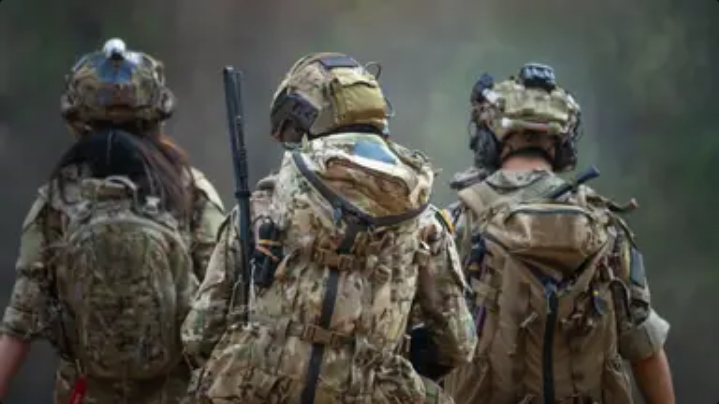
More and more questions are being raised over what would happen if we found ourselves in a third World War, including who would be safe from conscription.
Fears of a global conflict have been intensifying ever since the US and Israel’s joint airstrikes on Iran on Saturday (28 February), which killed the country’s Supreme Leader, Ayatollah Ali Khamenei.
US President Donald Trump says the reason behind the attack was to ‘ensure that Iran does not obtain a nuclear weapon’.
Iran retaliated by firing missiles at American assets and allies, including Israel, Bahrain, Kuwait, Qatar, Jordan, and the United Arab Emirates (UAE).
As per Reuters, 787 people have been killed in Iran, including 165 schoolgirls and staff killed in a missile strike on a primary school in Minab, while 10 civilians have been killed in Israel.
We’re now in the fifth day of conflict, and people are worried about the violence erupting into a full-scale war involving more countries, such as the UK.
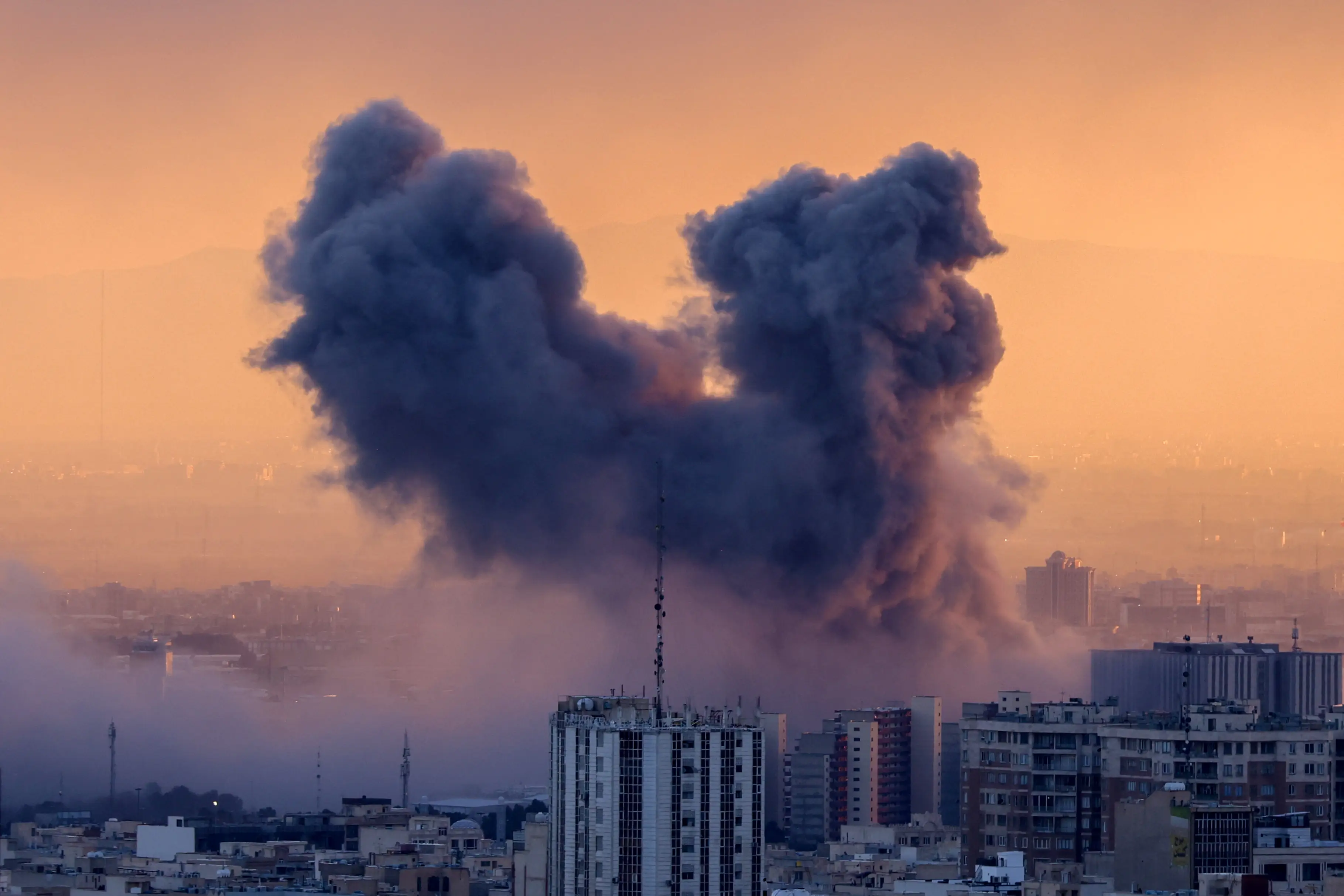
Fears that WW3 could break out are rising (ATTA KENARE / AFP via Getty Images)
It comes as UK Prime Minister Keir Starmer has allowed the US to use British military bases in the Middle East for ‘defensive’ strikes on Iranian missile sites.
Will conscription come back to the UK?
If the UK were to go to war, as of right now, there is no conscription or requirement for military service.
A Ministry of Defence spokesperson told LADbible this week: “This Government has no plans to introduce conscription in the UK and believe the best way of defending our country is by maintaining professional Armed Forces who choose to serve.”
However, according to The Express, Lib Dem MP Mike Martin told the publication just a few months ago that conscription ‘will happen’ should the UK enter into war with Russia.
Martin, who’s also an Afghanistan veteran, said in March last year: “Obviously, if we get involved in a general war with Russia, we’ll be conscripting the population – there’s no question about that.
“Being prepared generates deterrence, which decreases the likelihood [of war]. The whole point about building the military up is it decreases the likelihood of this happening.
“I think that’s an important caveat. I’ve fought in wars, I’m not a warmonger. But I recognise that you’ve got to [pursue] peace through strength.”
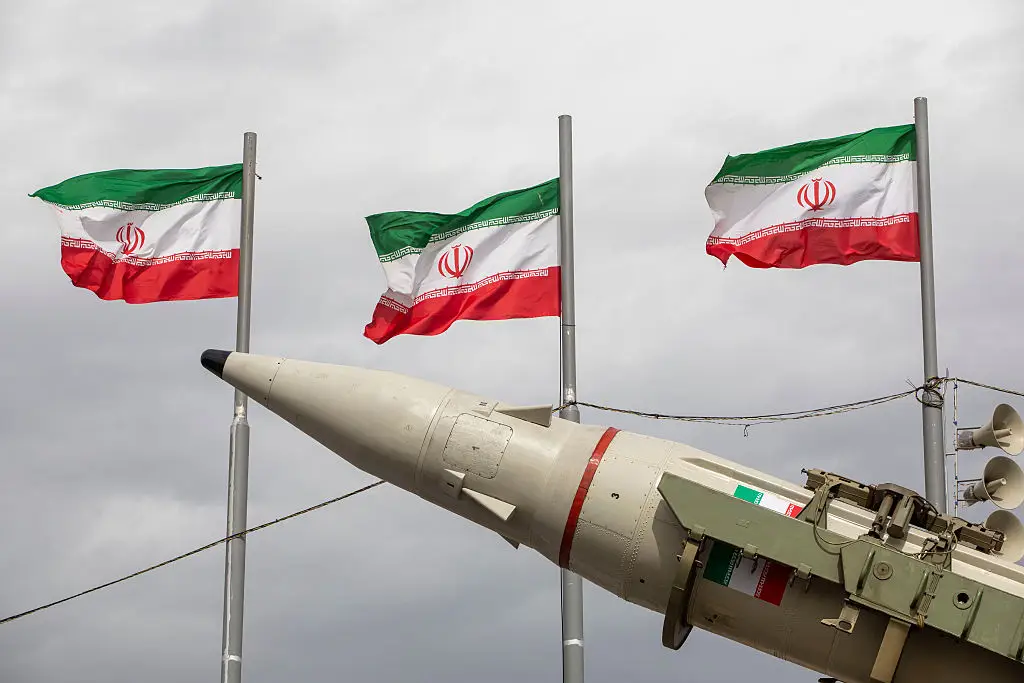
A Ministry of Defence spokesperson has urged the public that there are currently no plans for conscription in the UK (Majid Saeedi/Getty Images)
Would there be exemptions from conscription in the UK?
We don’t exactly know who would be drafted, but historically, there are some professions that are considered too vital to be sent off to the front lines.
These are: bakers, farmers, doctors, nurses and engineers.
There are also a large number of health conditions which make people unable to serve in the British Army, including: epilepsy, migraines, anxiety and depression, high blood pressure, poor dental hygiene, hearing problems, food allergies and diabetes.
Would women be drafted in the UK if conscription returned?
During World War II, men aged between 20 and 22 were called to war in 1939, about six months before fighting began to undertake military training.
When war broke out, this expanded to men aged between 18 and 41, with the exception of those who were medically exempt, and people who worked in the above professions.
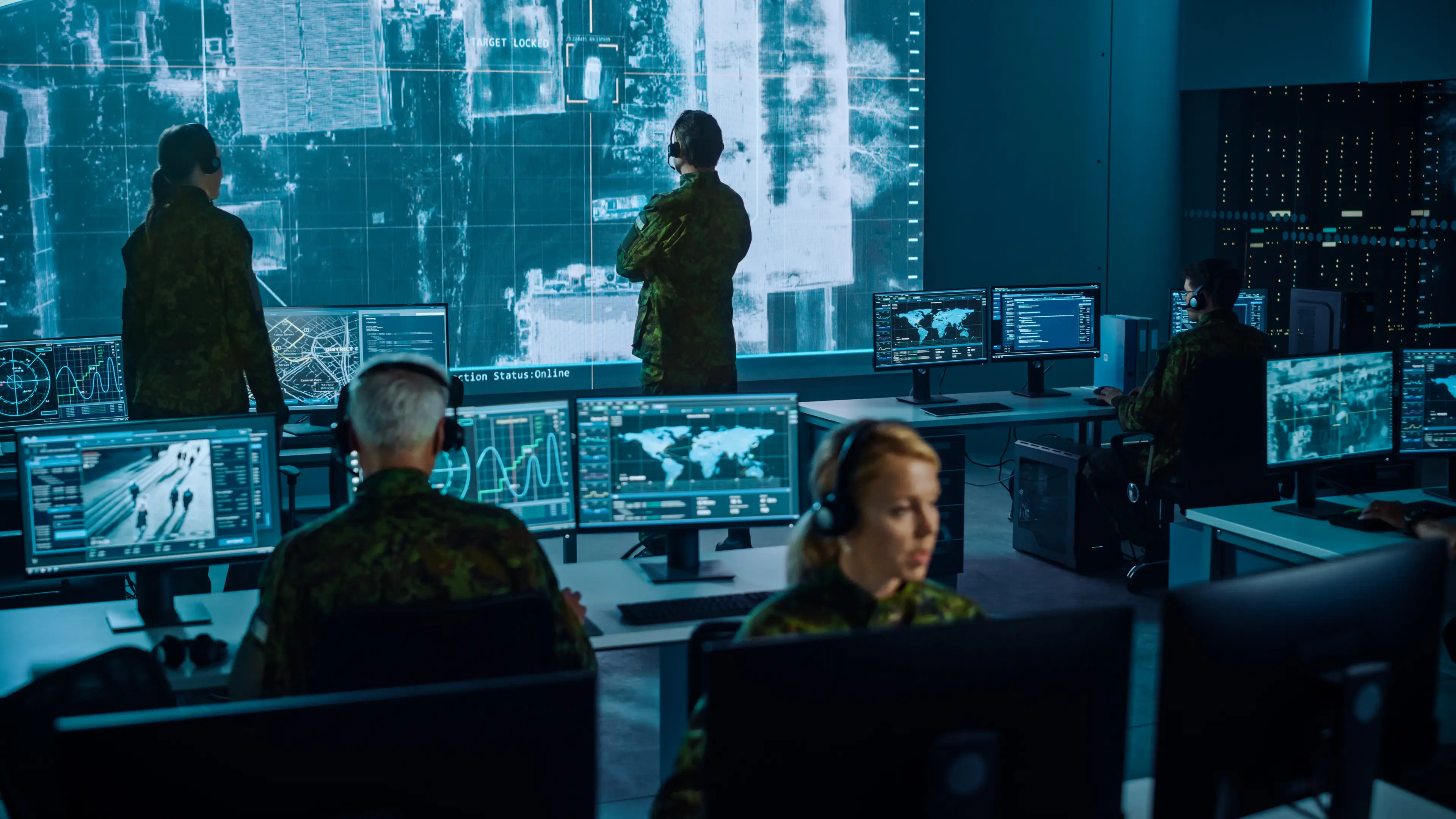
However, there are a number of jobs that may be exempt from conscription (Getty Stock Image)
By December 1941, the National Service Act also made it legal to conscript women aged between 20 and 30 to complete essential war work. By mid-1943, 90 percent of single women and 80 percent of married women were carrying out work towards the war effort.
It’s unclear if women would be conscripted if it was reintroduced in the UK, and what roles they would be expected to fill.
A 2024 YouGov poll found that 30 percent of Brits aged between 18 and 40 would refuse to serve in the military if conscripted, even if the UK was facing the imminent threat of being invaded.
Of course, it’s important to remember that this is all hypothetical and the comments were issued ahead of this year’s conflict – in simple terms, no one is being drafted any time soon.
What we know about Iran’s hypersonic missile they claim to have used for first time
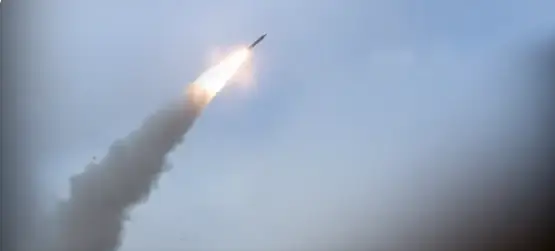
A still from Iran’s state-linked Tasnim News Agency they claim shows the Fattah-2 rocket being fired, which they shared on Monday 2 March (X/@Tasnimnews_Fa)
Iran has shared footage they say shows the launch of their next-generation Fattah-2 hypersonic missile, which they say they have fired at Israel as part of their Operation True Promise 4, their response to the US-Israeli strikes last week.
The Fattah-2 is Iran’s first hypersonic glide missile, which the country says can reach speeds of up to Mach 15 (around three miles per second, or 15 times the speed of sound).
They add that it has a range of 1,400km, and can evade missile defences by approaching targets from unexpected angles.
Multiple social media videos claim to show the Fattah-2 rockets evading air defences and hitting Israeli targets, but these have not been verified.
Featured Image Credit: Getty Stock Image