Young people have decided the name for a male ‘Karen,’ and the internet is not happy.
For years, the internet has used the name ‘Karen’ as shorthand for a very specific kind of person: demanding, entitled, argumentative, and usually one step away from asking to ‘speak to the manager.’
What began as a meme exploded into a full-blown cultural phenomenon around 2020, becoming one of the most recognizable internet labels of the decade.
But while ‘Karen’ became deeply embedded in online culture, the nickname also sparked growing criticism. Some argued it unfairly mocked middle-aged women, while others said it became an easy way to dismiss legitimate complaints by reducing women to stereotypes.
Still, the term never really disappeared.
Now, however, younger people online have decided the internet needs an updated version — and this time, they aren’t just targeting women. Social media users have officially entered a heated debate over what the male equivalent of a ‘Karen’ should be.
And people are already furious about the result.
How ‘Karen’ became one of the internet’s biggest insults
The rise of the ‘Karen’ meme happened surprisingly fast.
Although jokes about entitled customers existed long before social media, the term truly exploded in popularity during the late 2010s and early 2020s.
Viral videos of customers screaming at retail workers, refusing to follow public rules, or calling police during disputes were often paired with the nickname.
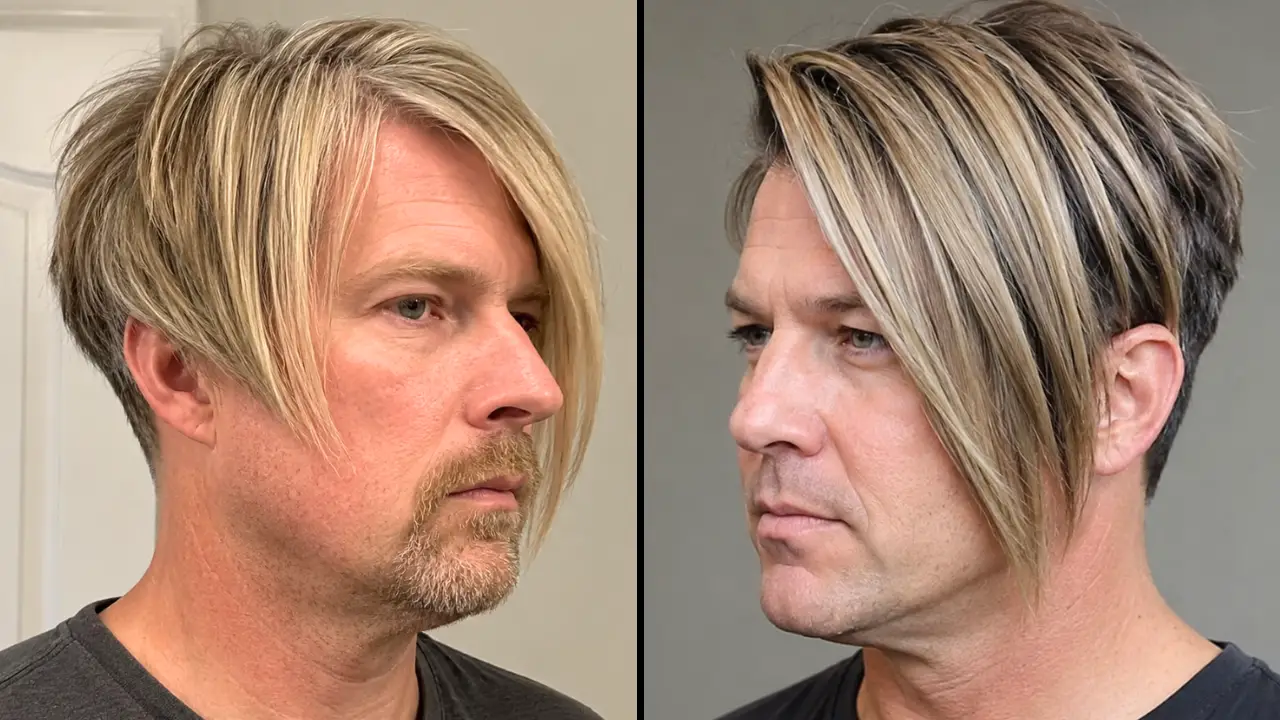
Over time, the stereotype developed a very specific image: a middle-class white woman with a sharp bob haircut demanding special treatment while insisting the rules did not apply to her.
The label became so culturally dominant that major publications described 2020 as ‘the year of Karen.’
But the meme also became increasingly controversial.
Critics argued the term had evolved from lighthearted internet slang into something far harsher. Some feminists claimed it was being weaponized against women who spoke up or voiced complaints. Others argued the meme carried undertones of classism, sexism, and ageism.
For women actually named Karen, the experience became especially frustrating.
Some reported being mocked online or in person simply because of their name. Others said they felt embarrassed introducing themselves in public. Studies even suggested the backlash had damaged the popularity of the name itself.
Once one of the most common baby names in America during the 1960s and 1970s, ‘Karen’ has now almost vanished from birth records entirely.
But despite the criticism, internet culture quickly moved toward a new question: if ‘Karen’ represents a demanding woman, what should the male version be called?
Gen Z decides the internet needs new ‘Karen’ names
The discussion took a dramatic turn when Gen Z users began claiming ‘Karen’ no longer reflected their generation.
On TikTok, younger users argued that millennials and Gen Z needed updated versions of the stereotype — names tied to people they actually grew up with rather than older generations.
One viral creator explained that younger people should choose their ‘own Karen’ rather than inherit the internet’s original version.
“We know exactly who the a**holes of our generation are,” the TikToker joked.
The video immediately exploded in popularity, with thousands of users flooding the comments section with suggestions.
For women, several names quickly emerged as frontrunners. Ashley, Brittany, Heather, Amber, Tiffany, Nicole, Becky, Kelsey, and Jessica were repeatedly suggested.
One name in particular started dominating the conversation: Jessica.
Many commenters insisted ‘Jessica’ perfectly captured the modern version of a younger ‘Karen.’ Others strongly disagreed, arguing the internet was unfairly turning ordinary names into insults yet again.
People actually named Jessica were especially horrified by the trend.
“As a Jessica, I’m devastated,” one user wrote. Another added: “Leave Jessica alone.”
But while the female debate sparked arguments, the conversation surrounding men became even more heated.

The search for a male ‘Karen’ sparked chaos online
For years, internet users have debated what to call men who display the same behavior associated with ‘Karens.’
Some argued there shouldn’t even be a male equivalent because the term itself evolved from very specific viral incidents. Others insisted men complain just as much, if not more, and deserved their own nickname.
Data from review websites only fueled the argument further.
Research conducted by Trustpilot found that men with traditionally male names were actually far more likely to leave one-star reviews online than women. In both the US and UK, male-associated names dominated the list of frequent complainers.
The findings surprised many people because internet culture has largely framed public complaining as a female stereotype.
In the UK, names like David, Paul, John, Chris, Mark, and James topped the complaint charts. In America, names such as John, David, Michael, Chris, and Robert appeared repeatedly among the most common one-star reviewers.
The data suggested the loudest complainers online might not be ‘Karens’ at all.
But while statistics sparked conversation, TikTok pushed the debate into overdrive.
The internet finally lands on a male ‘Karen’ name
As online discussions intensified, more and more users began trying to settle the question once and for all: what is the male equivalent of a Karen?
Suggestions flooded social media.
Some people proposed ‘Kevin.’ Others backed Gary, Chad, Steve, or Greg. Many users argued the nickname should sound ordinary enough to feel believable while still carrying a certain energy associated with entitlement and constant complaining.
Then the data entered the conversation again.
Trustpilot’s research revealed that one male name consistently appeared more than any other among users leaving one-star reviews and complaints online.
The statistics were difficult to ignore. In the UK alone, that name was associated with more than 20,000 negative reviews. In the United States, it also ranked near the very top of online complainers.
The internet quickly latched onto it. And that’s when the backlash began.
People with the name immediately pushed back, arguing it was unfair to turn another common name into an insult. Some parents even expressed concern about children being bullied because of the meme.
One commenter wrote: “My son is called this and he’s the furthest thing from a Karen.”
Another said: “No! My husband had that name and he was lovely!”
Others rejected the idea completely, arguing society should stop using real names as stereotypes altogether.
Still, the internet appears to have largely settled on one answer.
According to both social media users and online complaint data, the new male version of a ‘Karen’ is officially David.