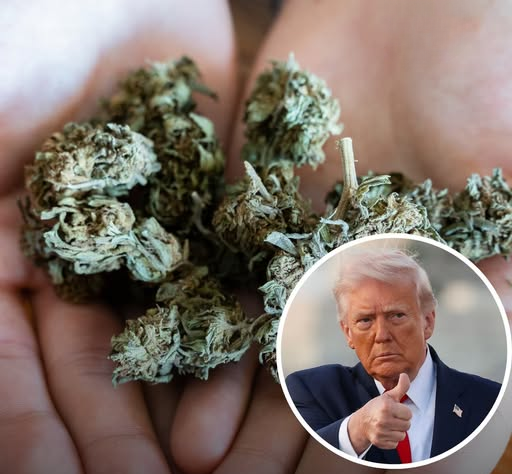
The Trump administration has reclassified marijuana, moving it from a Schedule I to a Schedule III controlled substance.
This change, following more than four months of anticipation, aligns with an executive order signed by Donald Trump. The reclassification removes marijuana from a category alongside drugs like heroin and LSD and places it in the same category as substances like ketamine and anabolic steroids.
This shift in classification does not immediately make marijuana legal or change the legal status of those incarcerated for possession. However, it is a significant step forward, particularly in terms of expanding research opportunities into the medical uses of marijuana. As a Schedule III substance, marijuana will now be more accessible for clinical studies focused on its safety and therapeutic potential.
Impact on marijuana research and medical use
With marijuana’s new classification, research into its medical applications will be allowed to progress more freely. Acting attorney general Todd Blanche emphasized on X that this change would enable “more targeted, rigorous research into marijuana’s safety and efficacy, expanding patients’ access to treatments and empowering doctors to make better-informed healthcare decisions.” Under its previous Schedule I status, marijuana had been limited in terms of scientific study due to its classification as having no accepted medical use.
Under the decisive leadership of @POTUS, this Department of Justice is delivering on his promise to improve American healthcare. This includes:
• Immediately rescheduling FDA-approved marijuana and state-licensed marijuana from Schedule I to Schedule IIl
• Ordering a new,… pic.twitter.com/DUtqKQgavl
— Acting AG Todd Blanche (@DAGToddBlanche) April 23, 2026
This reclassification is expected to help develop a better understanding of marijuana’s potential benefits for pain management, anxiety, and other medical conditions. The decision is seen as a positive move for both the medical community and patients seeking alternative treatments.
No immediate legalization or change for incarcerated individuals
It’s important to note that while marijuana’s reclassification allows for more research, it does not immediately legalize the drug or alter the sentences of those currently incarcerated for marijuana-related offenses.
Federal laws regarding marijuana use and possession will still be enforced, and businesses involved in marijuana will continue to face banking restrictions due to anti-money laundering regulations.
Additionally, transporting Schedule III drugs across state lines is still generally illegal without proper authorization. This means the reclassification will not automatically open the door for the interstate transport of marijuana, even in states where it is legally sold.