
The astronauts on the historic Artemis II moon mission have officially made its way to the far side of the Moon after leaving the Earth’s orbit.
NASA Astronauts Christina Koch, Reid Wiseman, Victor Glover, and the Canadian Space Agency’s Jeremy Hansen blasted off on Wednesday (1 April) in a 322-foot rocket headed to journey around the Moon and back.
They spent the first 25 hours of the flight circling the Earth, where they told mission control about the ‘phenomenal views,’ before heading towards the Earth’s only natural satellite.
The spacecraft, Orion ,will travel around 4,000 miles beyond the Moon with a lunar flyby on Monday (6 April), which will send the crew some 252,000 miles into space before returning to our planet.
Although they won’t actually touch down on the Moon, the Artemis II mission paves the way for a future lunar landing and also lays the foundation to send a crew to Mars.
While they’re likely doing it not for the money, but because it’s their dream, and they get to be an important part of a history, questions have arisen over how much NASA astronauts get paid – and if you’re thinking it’s in the millions, you’d be very wrong.
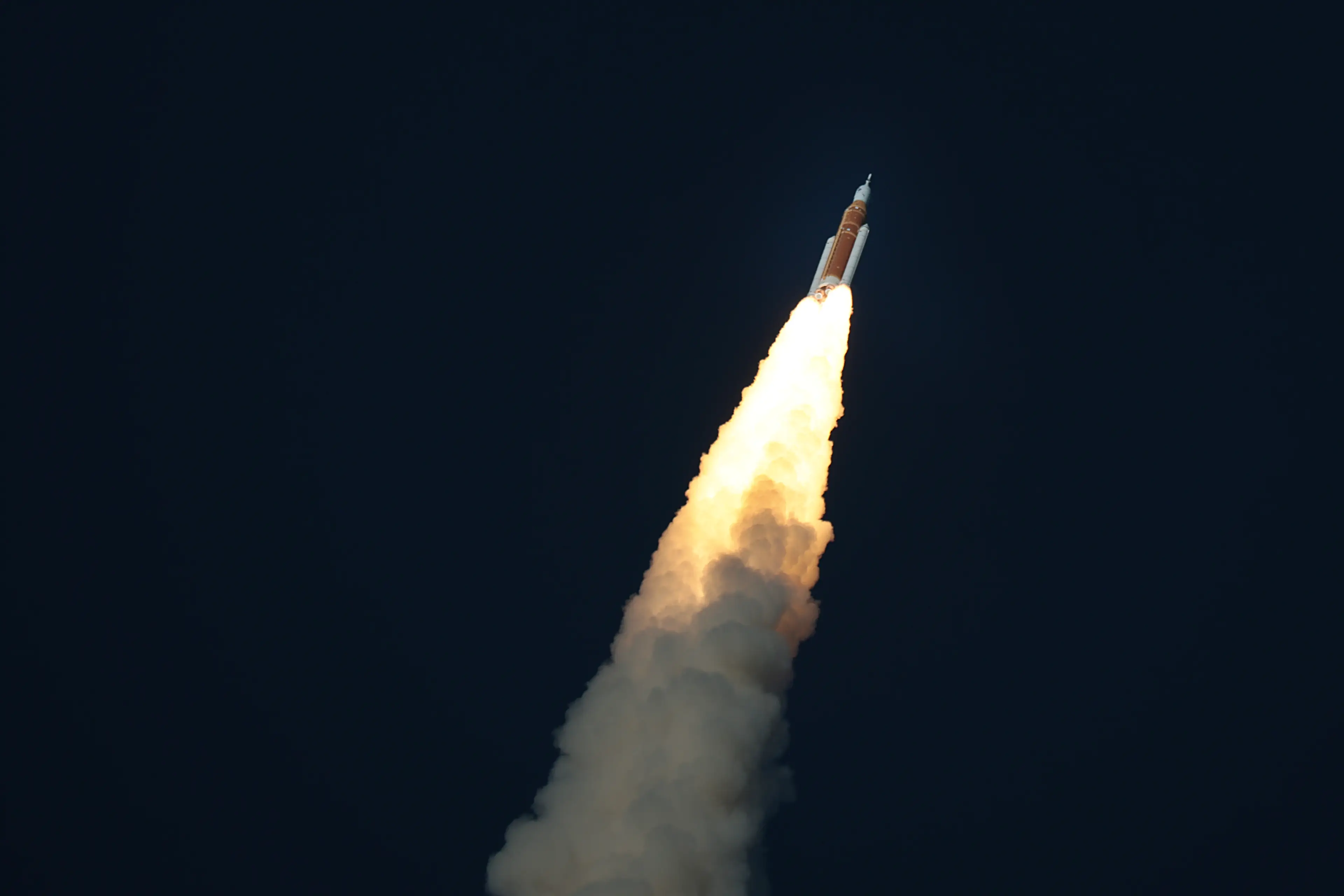
The record-breaking Artemis II mission blasted off on 1 April, with the astronauts due to return ten days later (Joe Raedle/Getty Images)
NASA astronauts aren’t millionaires for braving the journey into space. As per the BBC, currently they are paid $152,258 (£115,217) a year.
As reported by NJ News, they’re are paid according to the ‘general services’ pay scale, which is the way federal officials decide on a government employee’s salary.
However, the $152,258 figure is listed on NASA’s website as the 2024 pay rate, so it’s unknown if there’s been a rise since then.
This number is adjusted over the years, and pay is usually determined by three factors: the rigor of the job, tenure and location.
Meanwhile, the Canadian Space Agency has a similar method, with astronauts falling into three brackets – entry level, qualified level and senior level.
Their salary scale ranges from $97,100 (£73,343) to $189,600 (£143,233).
Despite the pay being relatively low for the incredible work they’re doing, becoming an astronaut is one of the most coveted positions in the world that only very few people get to do.
So, if it’s your future career plan, you might want to sort a back-up before putting all of your eggs in one basket.
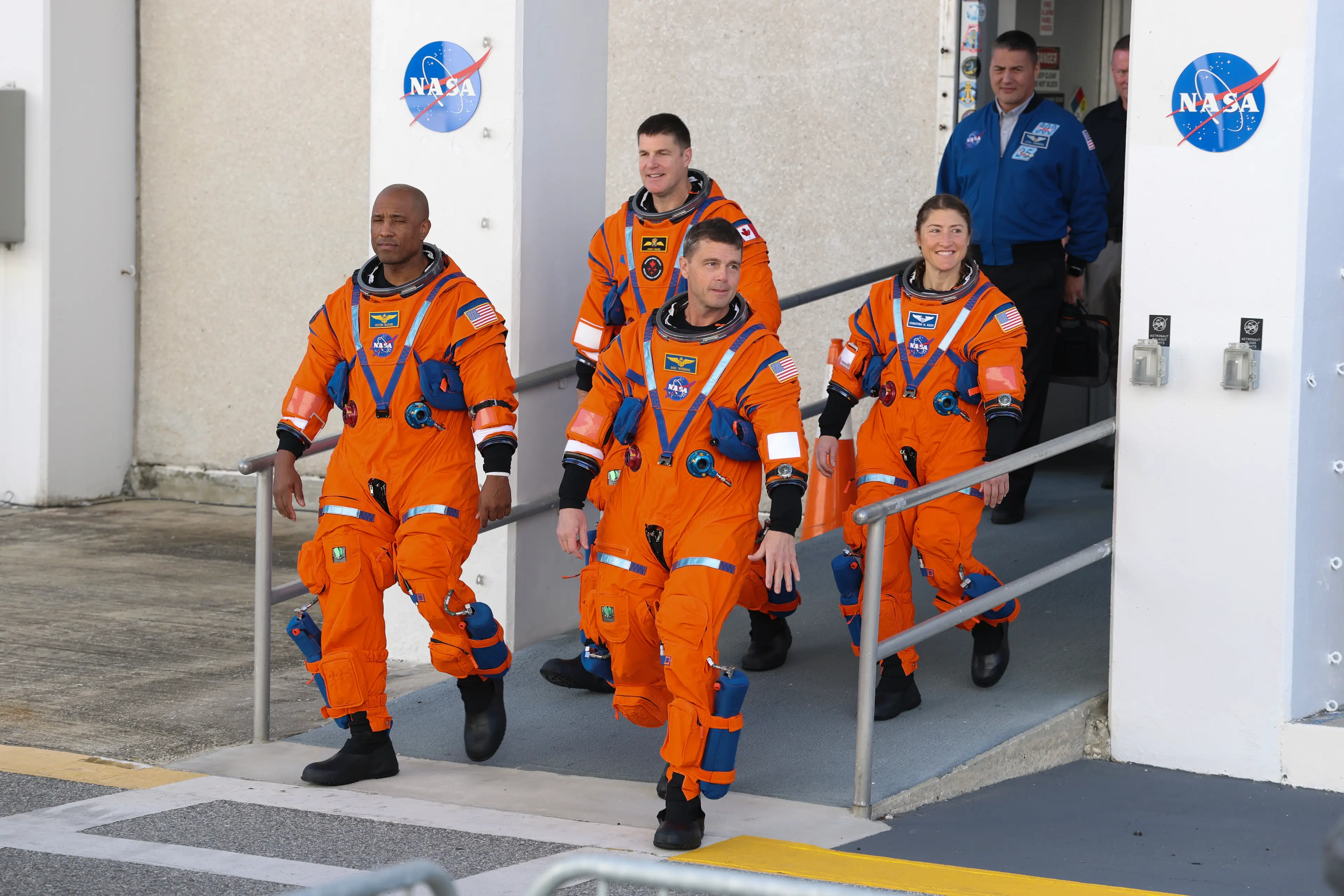
The salary of an astronaut is much less than you’d expect (Joe Raedle/Getty Images)
As per the BBC, when NASA opened its applications most recently in 2024, over 8,000 people applied, and only ten were selected to get the job.
To put things into perspective, application rounds aren’t opened every year and NASA has only ever selected 370 astronauts.
There also some pretty strict requirements for taking on the role – you need to have a height that falls into the 5ft 2in and 6ft 2in (62in-75in) range, have a science degree, and be willing to face the risk of death on the job.
To be considered for an astronaut position, applicants must also meet the following qualifications:
- Be a US citizen
- Possess a master’s degree in a STEM field, including engineering, biological science, physical science, computer science or mathematics, from an accredited institution
- Have at least two years of related professional experience obtained after degree completion or at least 1,000 hours pilot-in-command time on jet aircraft
- Be able to pass the NASA long-duration flight astronaut physical

Over 8,000 applied to become an astronaut for NASA in 2024 and ten were selected (NurPhoto/Getty Images)
However, the master’s degree requirement can also be met by:
- Two years (36 semester hours or 54 quarter hours) of work toward a doctoral program in a related science, technology, engineering or math field
- A completed Doctor of Medicine or Doctor of Osteopathic Medicine degree
- Completion (or current enrolment that will result in completion by June 2021) of a nationally recognised test pilot school program
As outlined by the NASA website, the Astronaut Selection Board reviews the applications and assesses each candidate’s qualifications.
The board then invites a small group of the most highly qualified candidates for interviews at the Johnson Space Center in Houston, Texas.
Of those interviewed, roughly half are invited back for second interviews and from that group, NASA’s new astronaut candidates are selected.
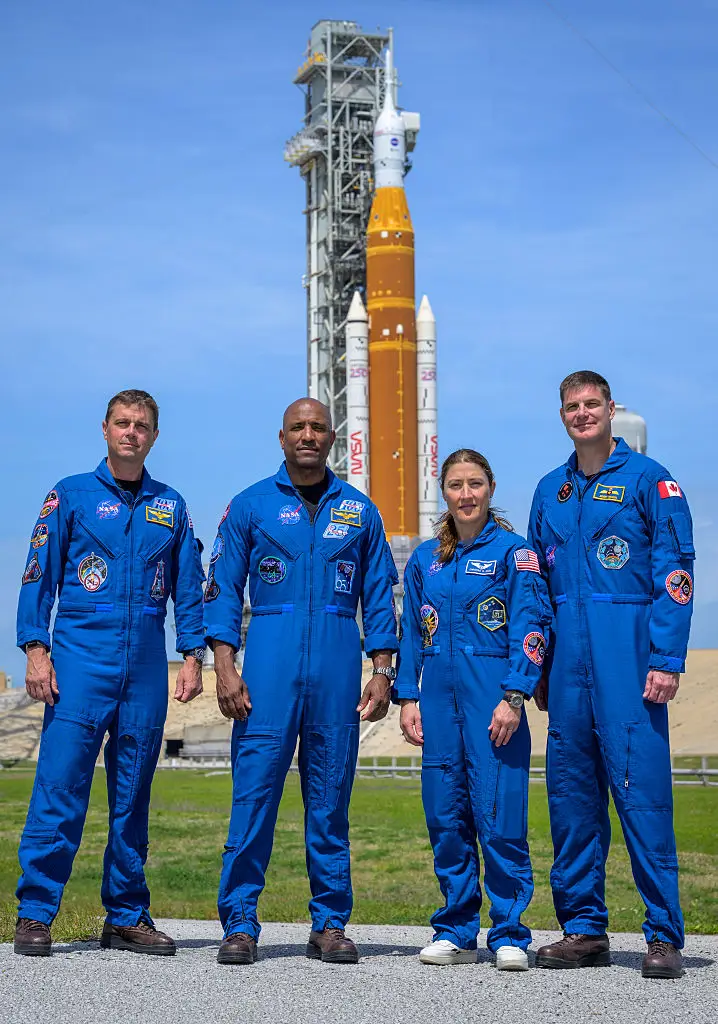
It’s also one of the most coveted positions in the world (NASA/Getty Images)
Artemis II timeline: When will the crew reach the Moon?
After completing the translunar injection burn, the Artemis II crew have broken free of Earth’s gravity and are now on course for the Moon.
They are set to travel 250,000 miles from Earth, further than any human has ever gone before.
But what are the key milestones over the next few days, and what should we look out for back on Earth?
Friday 3 April – Saturday 4 April
While the rest of us are enjoying a four-day weekend, astronauts Reid Wiseman, Victor Glover, Christina Koch and Jeremy Hansen will be hard at work prepping for their Moon fly-by.
They’ll be testing radio communications, and most importantly for us, taking lots of pictures out of the window of their spacecraft.
So expect some stunning photographs of the Earth and the Moon in deep space.
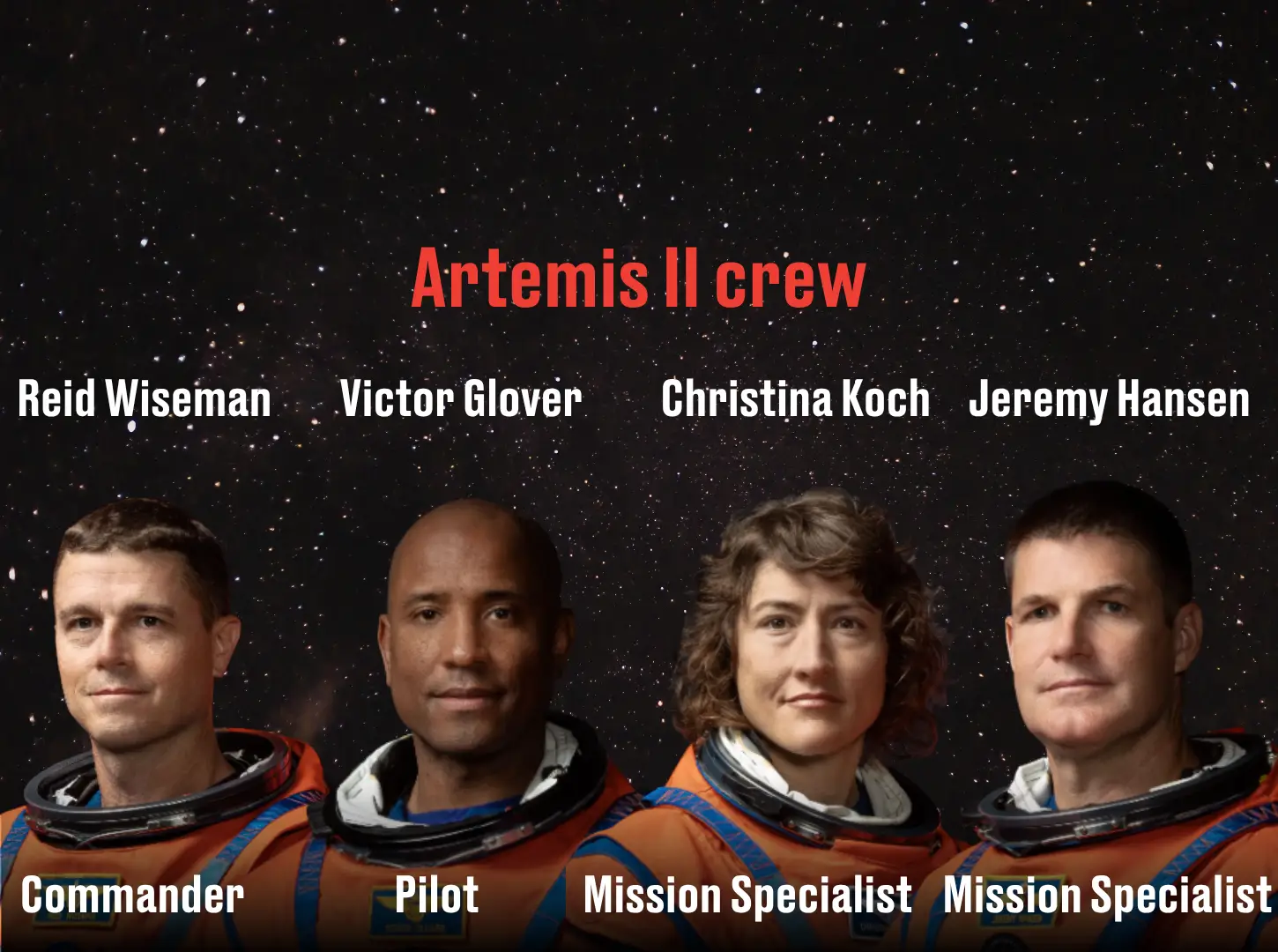
The Artemis II crew (NASA/LADbible)
Sunday 5 April
As Brits tuck into their Easter Sunday roast dinners, it’s an important day for the Artemis II crew.
This is when they’ll enter the lunar sphere of influence, which means the tug of the Moon’s gravity is stronger than Earth’s.
The crew will also be testing their spacesuits to make sure they’re in tip-top shape for re-entry next week.
Monday 6 April
This is the big one! The Artemis II crew will pass around the far side of the Moon, the furthest from Earth anyone has ever gone before.
Commonly dubbed the dark side of the Moon – it isn’t actually dark and actually gets more sunlight than the side we do see.
It’s called this because, thanks to something called tidal locking, the same side of the Moon is always facing Earth, so we never get to see the other one.
The Artemis II crew will spend the day taking photographs of the lunar landscape, and there will be 40 mins where they will lose contact with Earth – which is sure to be squeaky bum time for the folks at NASA.
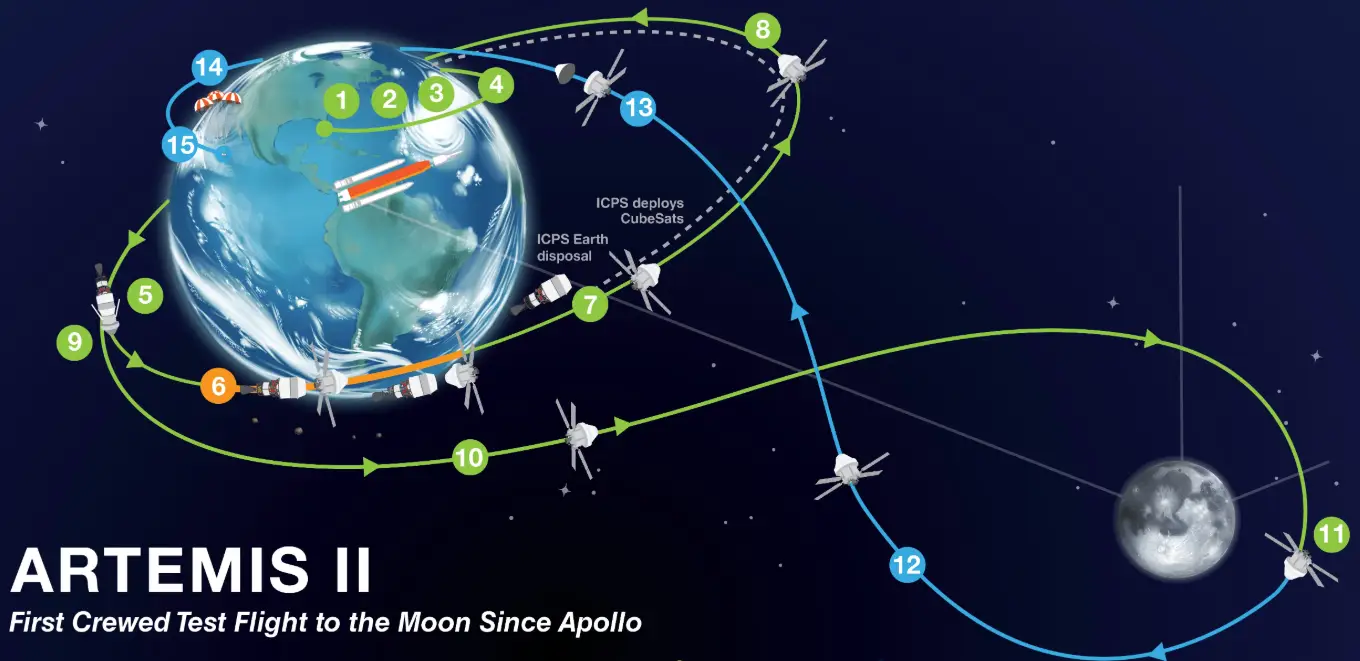
The Artemis II crew’s flight path (NASA)
Tuesday 7 April – Thursday 9 April
As we grudgingly head back to work, the astronauts begin their return journey to Earth.
Tuesday is the Artemis II crew’s day off after a full-on few days – though you have to imagine entertainment is scarce in the Orion spacecraft. No Netflix, unfortunately.
On Wednesday, the crew will practice building a radiation shelter, which would be able to shield them in the event of solar flares, test compression garments which should prevent dizziness on the return to Earth, and have a go at manually piloting the spacecraft.
Friday 10 April
The Artemis II crew will be back on Earth in time for the weekend. This is the diciest section of the mission, with the Orion spacecraft exposed to temperatures of up to 1,650°C.
Once safely back in Earth’s atmosphere, parachutes will deploy and they’ll land in the Pacific Ocean off San Diego, where NASA and the US Navy will be ready to pick them up.
Featured Image Credit: Joe Raedle/Getty Images