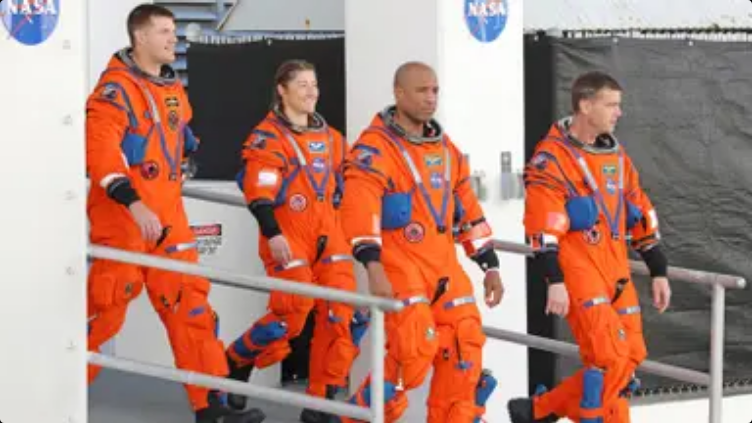
NASA’s Artemis II spacecraft has officially taken off and is now on a history-making mission to the Moon – but it came into one small issue, just minutes into the trip.
Yesterday (1 April) at 6.35pm EDT (11.35pm BST), the rocket, carrying four crew members, successfully launched from Cape Canaveral in Florida.
It marks the first manned Moon mission in more than five decades and will take astronauts deeper into space than any human has gone before.
On board are Commander Reid Wiseman, pilot Victor Glover, mission specialist Christina Koch, and CSA (Canadian Space Agency)’s Jeremy Hansen.
The astronauts are due to fly by the far, dark side of the Moon in the coming days, coming across views never seen by the human eye.
Prior to take-off, the flight experienced a minor disruption when Mission Control briefly lost its communication link during a satellite handover, but the problem was quickly fixed by resetting ground equipment.
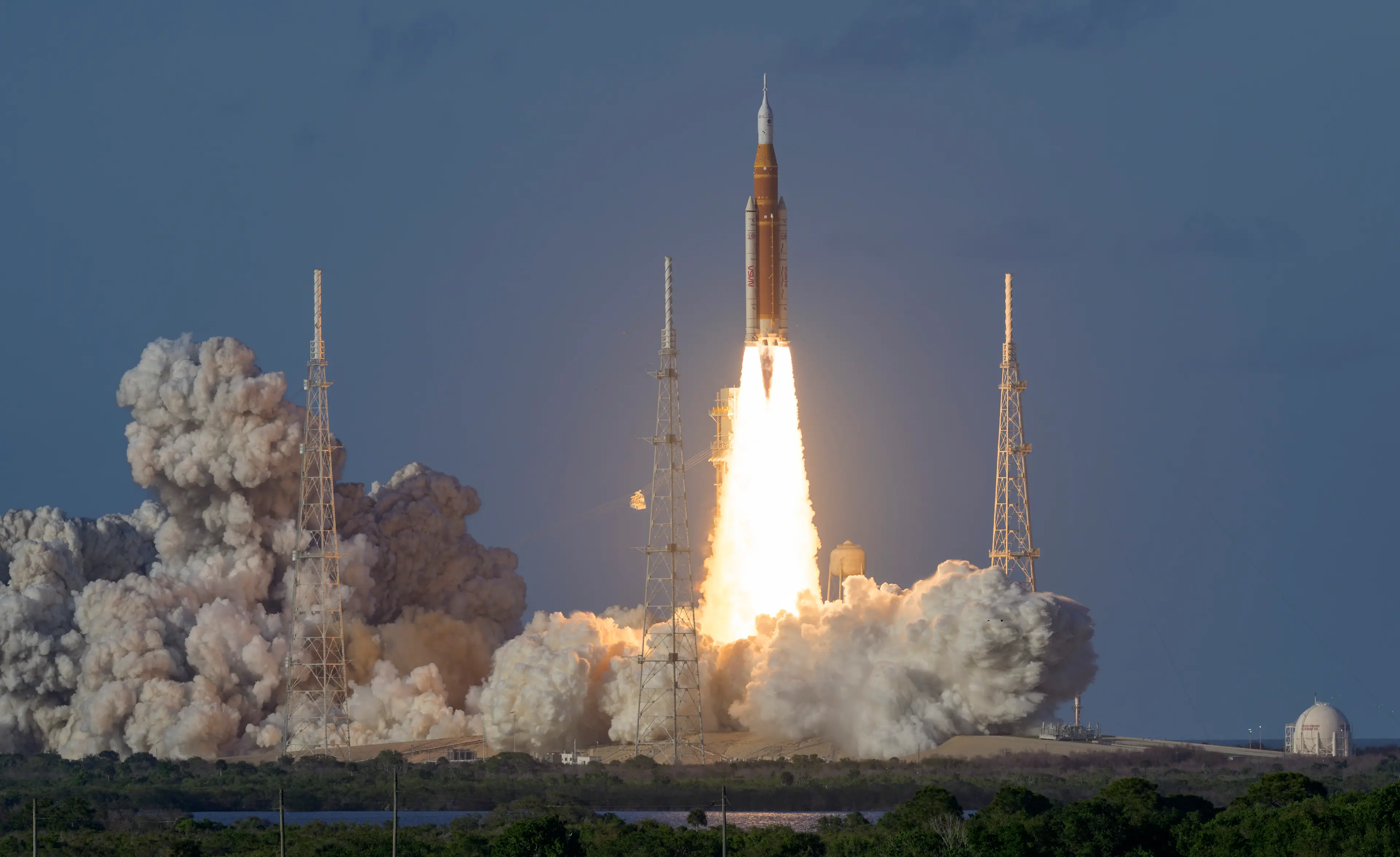
The Artemis II mission if officially underway (Bill Ingalls/NASA via Getty Images)
However, the group came into another early issue, which isn’t exactly ideal for a 10-day trip to the Moon.
Not long after launching, NASA confirmed that there was a problem with the toilet on the Orion spacecraft, after the crew inspected it and identified that something wasn’t quite right.
The group realised that the toilet’s amber warning light was flashing, with mission control saying they would need some time to figure out how to fix it.
As per Astronomy, the deep-space toilet was actually out of commission for the entire first six hours of the flight, so I hope nobody needed a nervous wee.
NASA associate administrator Amit Kshatriya confirmed at a press conference that the issue was due to a malfunctioning controller, which is a part of the toilet’s control system.
Not to get TMI, but apparently, this meant that while the astronauts could still poop in the toilet, they couldn’t pee in it.
Thankfully, the issue was eventually fixed, thanks to help from Koch and controllers on the ground working together.
The mission specialist reportedly moved parts from the toilet while being radioed from Houston, while those on the ground monitored the toilet’s systems and took remote troubleshooting measures.
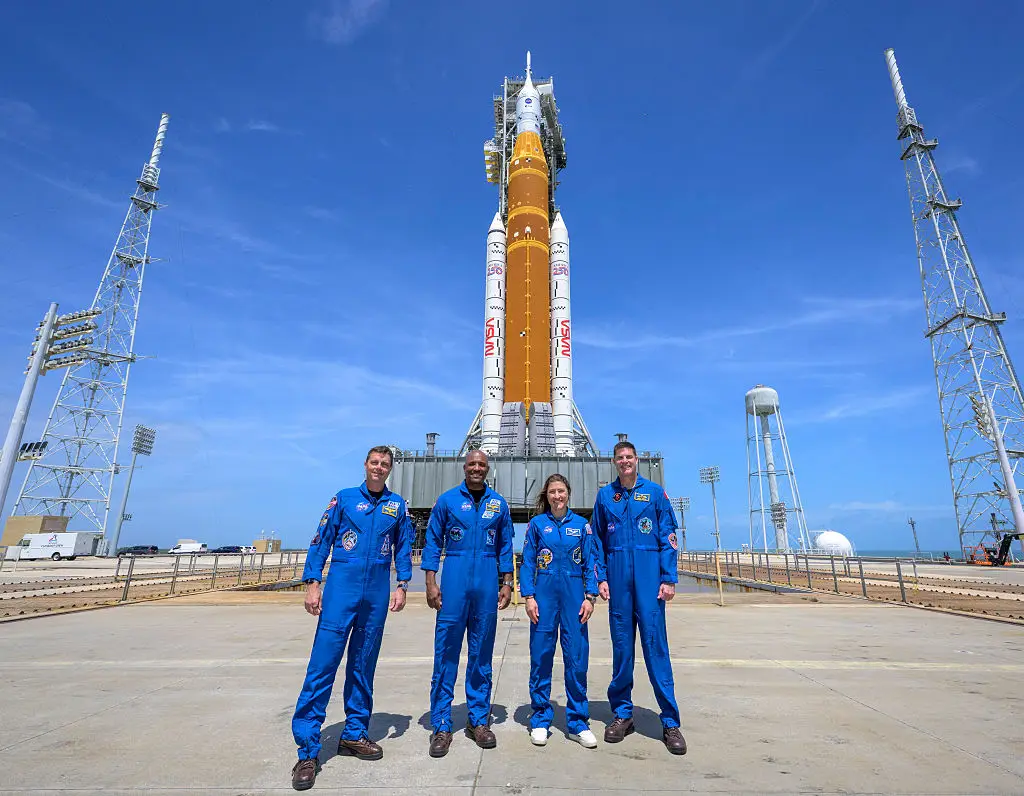
Not long after take-off, a toilet issue was reported, but thankfully it’s been fixed (NASA/Getty Images)
Mission control said in an update: “Happy to report that the toilet is go for use. We do recommend letting the system get to operating speed before donating fluid.”
During a post-launch press conference, NASA administrator Jared Isaacman confirmed the crew were ‘safe, they’re secure and in great spirits’.
He added: “After a brief 54-year intermission, NASA is back in the business of sending astronauts to the Moon.”
While the group will not actually touch down on the Moon, the mission paves the way for a future lunar landing and is also laying the foundation to send a crew to Mars.
Personal items Artemis II astronauts have brought with them
Commander Reid Wiseman
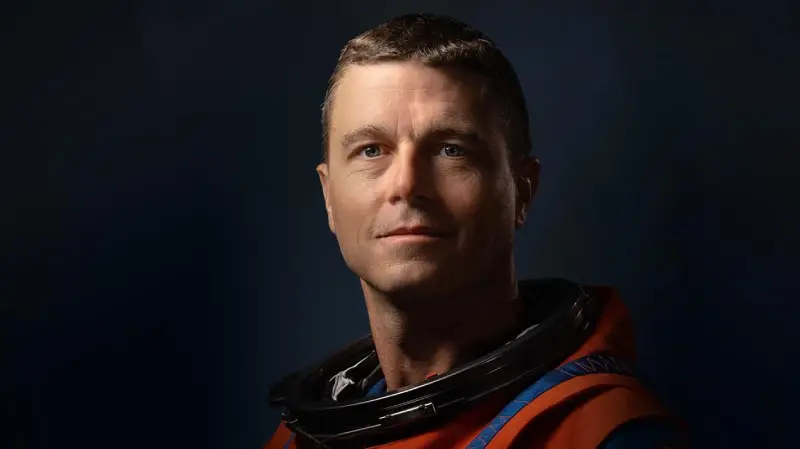
(NASA)
Wiseman, a US Navy test pilot-turned-astronaut, is a single parent who is raising his two teenage daughters alone after he sadly lost his wife to cancer in 2020.
He’s spoken to his children about the risks of the mission, with him saying to them while out on a walk: “Here’s where the will is, here’s where the trust documents are, and if anything happens to me, here’s what’s going to happen to you… That’s part of this life.”
Wiseman said he planned on taking a small notepad so that he can jot down his thoughts during the mission.
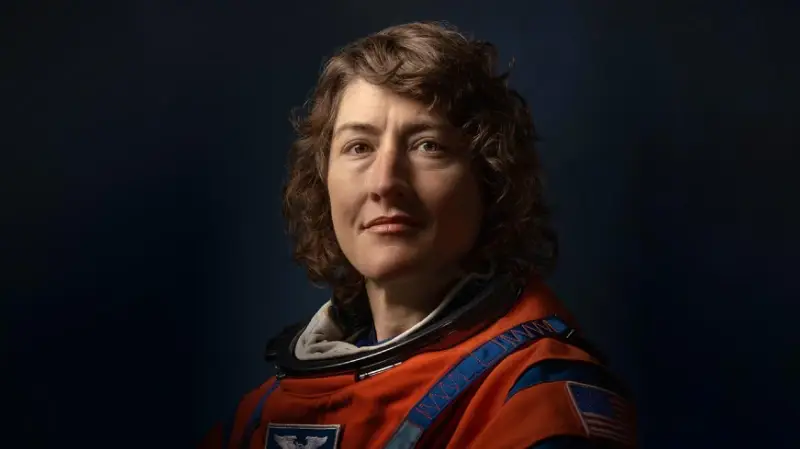
Mission specialist Christina Koch
(NASA)
Koch, an engineer and physicist, is a woman who has made many incredible milestones in her life.
Not only has she set the record for the longest single spaceflight by a woman, spending 328 days aboard the International Space Station in 2019, but she’s also taken part in the first-ever all-female spacewalk. And now, she’s the first woman to ever travel to the Moon and venture into deep space.
Koch is taking handwritten notes from people close to her for her personal item, which she has described as a ‘tactile connection’ to loved ones back on Earth.
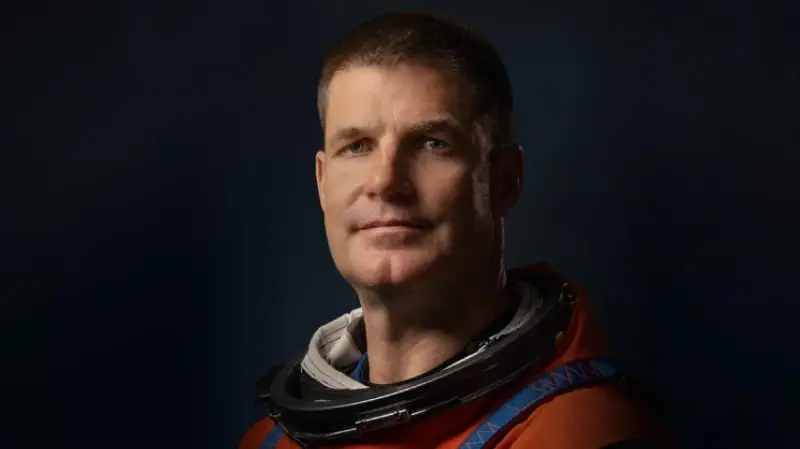
Mission specialist Jeremy Hansen
(NASA)
This is the former Royal Canadian Air Force fighter pilot and physicist’s first time in space, making him the first Canadian to ever venture into deep space.
Hansen, who is married with three children, will carry four Moon-shaped pendants for his wife and children, engraved with the phrase ‘Moon and back’ and set with their birthstones.
He will also be taking maple syrup and maple cookies on his lunar voyage, in true Canadian style.
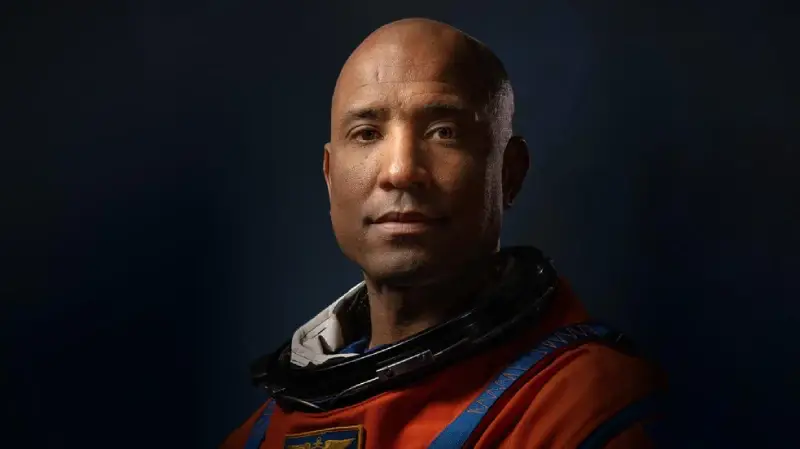
Pilot Victor J Glover
(NASA)
Glover, a former US Navy fighter pilot and test pilot who became a NASA astronaut in 2013, is setting a milestone of his own by being the first ever Black person to travel to the Moon.
He is married with four children, and served as pilot of NASA’s SpaceX Crew 1 mission, as well as spending nearly six months on the International Space Station as part of Expedition 64.
Already known as the most charismatic and ‘sharply dressed’ of the Artemis crew, Glover has said he will take on board with him a Bible, his wedding rings and family heirlooms, along with a collection of inspirational quotations compiled by Apollo 9 astronaut Rusty Schweickart.
Featured Image Credit: Gregg Newton / AFP via Getty Images